In 2024 I cut my business’ marketing budget by two-thirds. We were loss-making and most of the advice around me said it was the wrong call. Top-line sales did not fall. It was the decision that finally moved us into profitable growth, and it taught me more about running a niche business than anything else in those years.
Fewer than half of UK startups make it to their third year and in my experience, that is often when founders are scaling as hard as their funding will allow. Once a round closes, there is an expectation from the market and often from founders themselves that the money should be put to work quickly through new hires, new markets and saying yes to every new opportunity that comes along.
For larger businesses, that approach makes sense because volume is the point. For a niche business, it is far riskier. What makes a niche business valuable is usually specialist skill held by a small number of people, and that cannot be multiplied at the same speed as a bank balance. It took me years to learn that; I wish someone had told me before we raised, not after.
Why your niche is your asset
Niche is often used as a polite way of saying limited. I have never seen it that way. When I started my business in 2013 with two artisans and a family legacy in leather restoration, restoring designer bags looked like a small corner of the luxury market. Bags were poorly listed on resale platforms, damaged goods were sold as though they were not, and fakes were everywhere. Millions of designer bags had been made over the decades. The stock was already out there, and nobody had built a proper way to authenticate, restore and resell it.
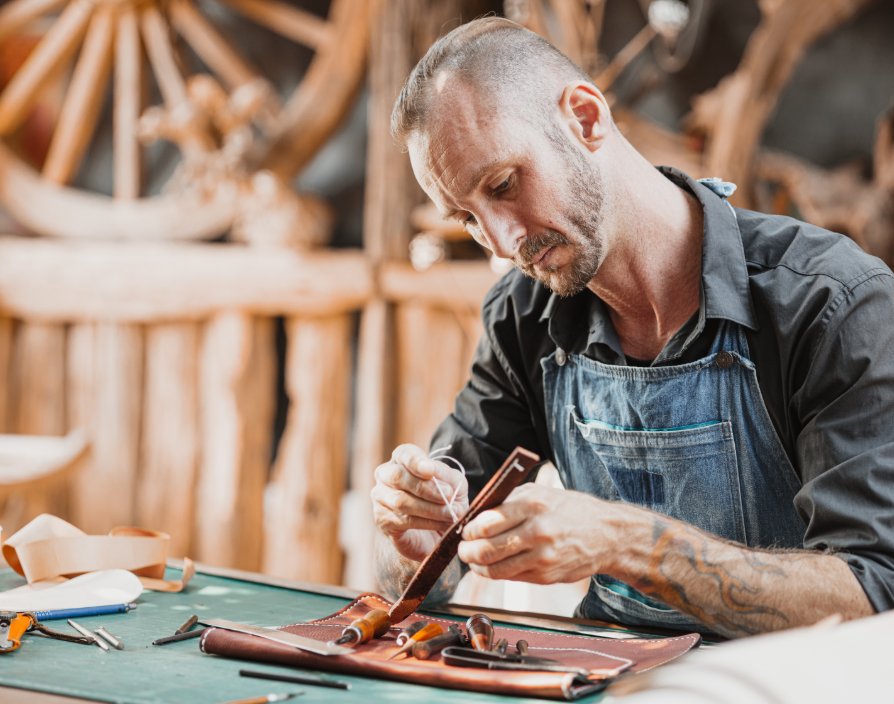
On the restoration side, we were always limited by capacity. Skilled hand work means people restoring bags one at a time, and every niche business built on expertise hits that ceiling. For us it turned out to be an advantage, because it was the part of the business nobody else could copy at scale. We hired on behaviour, not degree results, and trained every artisan from scratch. Restoration takes years to learn properly and you cannot find it fully formed through a job advert. That constraint is where our edge came from. Today the team has grown from those first two artisans to 33 people at our clinic in Newcastle, and we have restored more than 250,000 bags. Brands and auction houses including Gucci, Burberry, Jimmy Choo, Christie’s and Sotheby’s send us their repair and restoration work, and we have a permanent concession in Selfridges on Oxford Street.
What funding enabled and what fast growth put at risk
Investment did exactly what it is supposed to do. It let us hire faster than we could have on our own money and move on decisions that would have taken years to fund. Revenue tripled, but the business lost more than £1M. Investing ahead of profit was a deliberate decision we made together, on the belief that scaling fast would let the business fund its own future without needing another round every couple of years.
Where it got harder was the pace. A mass-market business can absorb that kind of scaling because volume is the strategy. A niche business struggles, because its value sits in the specialism and the people who hold it. To keep up, I brought in a senior leadership team, because I believed that was what scaling businesses did. The investment was significant, and the return was not there. Service levels and customer satisfaction slipped because we were moving faster than the business was ready for. In the end, I restructured around the people I trusted, the ones who had grown with the business.
Learning to trust your own judgement
For a while, I deferred to the advice around me, assuming people with more experience of scaling must know better. That experience was valuable, but in a niche business the founder is often the person who best understands why the niche works in the first place. It took me longer than it should have to back my own judgement and accept that not every opportunity funding makes possible is worth taking.
That is why the 2024 marketing cut mattered so much. My view was that a niche business gets found by the people who already need it, and we did not need to outspend competitors for attention. Revenue did not fall. That decision played a big part in moving us from three loss-making years to stable, profitable growth.
What to tell another founder scaling with investment
- Know which opportunities are worth taking. Funding widens what is possible, but it cannot tell you what is worth doing. In a niche business, that call has to come from the person who understands the niche.
- Build a succession plan before you need one, so your next managers come from within.
- Get comfortable saying no. It is what keeps the business recognisably yours, and good investors back you for that judgement in the first place.
A niche business can only grow as fast as its people and its culture allow and no amount of funding changes that. Money can help you grow the thing that makes your business special, as long as someone is making sure you do not grow past it. In my experience that someone has to be the founder.
Key takeaways
- Cutting the marketing budget by two-thirds while loss-making went against most of the advice Charlotte was given, but top-line sales did not fall and it moved the business into profitable growth. Her view: a niche business gets found by the people who already need it.
- Fewer than half of UK startups make it to their third year. After a funding round there is pressure to put the money to work quickly through new hires, new markets and every new opportunity – an approach that suits volume-driven businesses but is far riskier for a niche one.
- Funding let The Handbag Clinic hire faster and triple revenue, but the specialist skill that makes a niche business valuable cannot be multiplied at the same speed as a bank balance. Moving faster than the business was ready for saw service levels and customer satisfaction slip.
- For a niche business, getting comfortable saying no keeps the business recognisably yours – and good investors back founders for that judgement in the first place.
- The most important shift for Charlotte was learning to trust her own judgement over the advice of people with more experience of scaling. In a niche business, the founder is often the person who best understands why the niche works.
Share via: