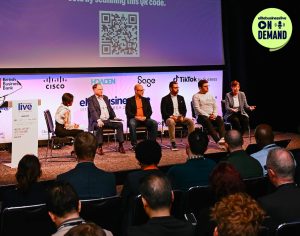
The UK’s Data (Use and Access) Bill is facing delays due to debates over AI’s role in data usage and copyright, underscoring the intricate legal landscape businesses must navigate. While this is a great tool and we all welcome innovation the risks, complexity and the problems of using this too quickly and relying on this too heavily is being displayed on a daily basis.
We have seen sensitive date inputted into open AI breaching the data protection regulations; seen infringement of IP cases brought for what people assumed was free IP created for them to use ; documents containing wrong information causing legal claims and also AI being weaponized by users , so putting in policies and processes for businesses employers alike has been of paramount importance to us.
Why this matters:
Legal uncertainty
The absence of dedicated AI legislation in the UK means existing laws and regulations are having to be utilised to accommodate new technologies, leading to uncertainty for businesses building in this space.
Ethical concerns
The government’s AI regulatory principles emphasise safety, transparency, and fairness, highlighting the need for responsible AI use. Many jurisdictions are running into its use with blind confidence this is dangerous and will have serious consequences. A slow and more cautious approach whilst may put the UK behind the curve means that we’re more likely to have a long-term benefit. This is a difficult balance as the UK tries to compete on the world stage in this arena.
Data protection
With AI systems processing vast amounts of personal data, ensuring compliance with data protection regulations is more critical than ever. GDPR in 2018 came in for a reason and has been regularly abused by employees to recognise this to against employers, unfortunately AI is now also sabotaging the privacy and data processing of many individuals information as such again we need to exercise on the air of caution and moving forward so quickly with these tools without due consideration is a risk. We have already seen in the US Court rulings mandating the preservation of data and prompts, there is, and should be, an audit trail and we expect to see a rise in data subject complaints seeking disclosure of the use of their personal data within ai systems used by an employer and their staff.
We specialise in crafting bespoke AI usage policies that align with current regulations and best practices. It doesn’t have to be cumbersome, but it will protect the business and you as employers by placing these into your company structure. Tou should include:
- Developing clear guidelines for AI use within your organisation.
- Training staff to understand and comply with AI-related policies.
- Monitoring and reviewing AI systems to ensure ongoing compliance.
Embracing AI’s potential requires a balanced approach that combines innovation with legal diligence. Contact us to ensure your business is prepared for the evolving AI landscape.
AI has raised several significant risks and legal grey areas in copyright law, particularly as highlighted in UK government and parliamentary reports. AI models like large language models (LLMs) and image generators are trained on vast datasets that often have included copyrighted content scraped from the internet. The UK Intellectual Property Office (IPO) has raised concerns that:
- Much of this use is done without the permission of rights holders.
- It’s unclear whether such use falls outside existing copyright exceptions. This is a global issue and there are active court matters throughout the World trying to answer this conundrum .
Output liability – Who owns AI-generated content?
- If an AI generates content based on copyrighted works, does it infringe copyright?
- Who is liable: the developer, the user, or no one?
- Can AI-generated content be copyrighted if there’s no human author?
These are unresolved legal questions in the UK and globally. Your staff could be using open AI with client data or using your intellectual property placing this at risk or potentially generating images on content infringing other people’s IP. This brings this to your door as a business owner and employer do you have a robust policy on governing it’s use with transparency?
The government abandoned a proposal for a broad text and data mining exception in 2023 after backlash from the creative industries, calling for further consultation. This is a key reason why AI-related parts of the Data (Use and Access) Bill are facing delays. There is so much to consider and, in the race, to be the leading AI jurisdiction so little time to exercise caution and consideration.
If the law is a complex beast that the government is struggling with you as a business owner and employer can only do your best and consider considering your own processes and policies carefully.
Share via: