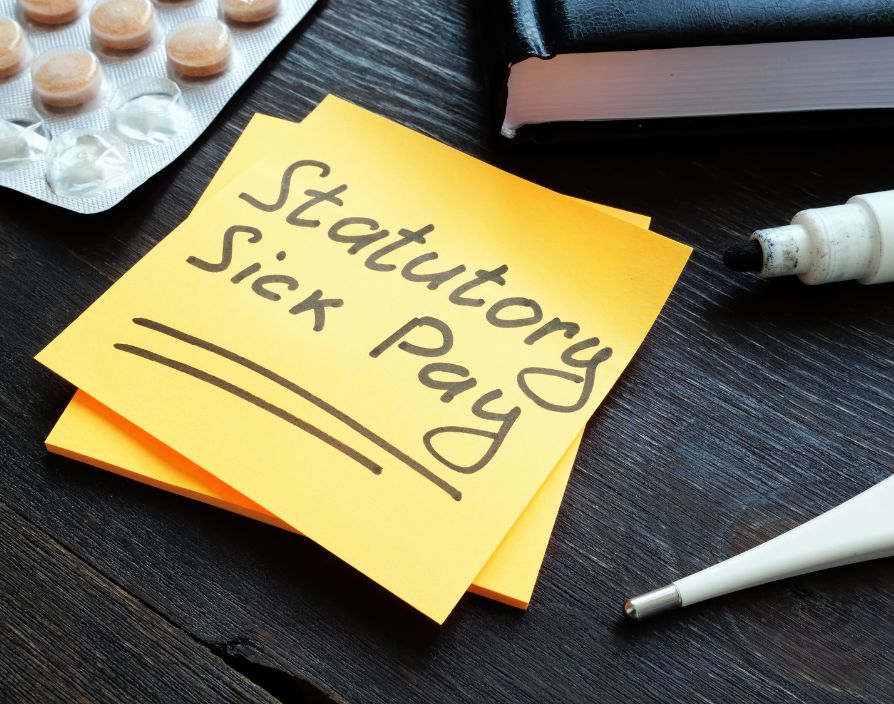
Several months on from the introduction of changes to statutory sick pay (SSP) on 6 April 2026, many businesses are still adjusting to one of the most significant operational changes under the Employment Rights Act 2025, which impacts both employers and employees. An Acas survey conducted in February 2026, found that 43% of employers and 36% of workers perceive that day-one sick pay will have the most significant impact of all the changes under the Act. This can present key benefits for businesses, including the opportunity to improve absence management, support employee wellbeing and create a more inclusive workplace environment.
What has changed?
Previously, employees were only eligible for statutory sick pay from the fourth consecutive day of illness. Under the new rules, statutory sick pay is now payable from the first day of illness which removes the three-day waiting period entirely. In addition to this, the lower earnings limit, which was previously £125 per week has been scrapped, meaning all employees (including part-time and lower paid staff) now qualify for statutory sick pay regardless of how much they earn.
Statutory sick pay is calculated as the lower of 80% of average weekly earnings or the statutory weekly rate, which is now at £123.25. This has clear benefits for those with lower earnings, giving them a much fairer process and financially secure position when they are unwell. It also means that millions of employees no longer have to worry about taking sick leave without pay, a decision that previously came with a financial consequence for many, particularly low paid workers.
Implications for businesses
While these changes deliver significant benefits for employees, they could lead to increased business costs and administrative responsibilities. Several months in, many businesses are still navigating through what full compliance in practice means.
A key implication is the need to update payroll processes and sickness absence policies to reflect the new rules. It is important for businesses to ensure that payroll systems are correctly calculating SSP from day-one and that the business’ policies no longer reference the old rules. Legal compliance is not optional. The Fair work Agency (FWA), established on the 7 April 2026, now plays a central role in ensuring that workers are protected and that employers comply with the law.
By law, employers must pay SSP to workers who meet the minimum requirements and the FWA has the power to act where there is non-compliance. With these changes, smaller businesses can unintentionally fall foul of the law due to limited resources and less understanding of the labour market regulations.
With further changes coming later this year under the Employment Rights Act, businesses can easily fall behind in implementing these changes. Therefore, legal compliance means businesses need to get this right – not only to support their employees, but to protect themselves from compliance risk. The cost of getting it wrong can negatively impact on brand reputation, as well as financial aspects of the business.
Next Steps
Businesses need to check they have effectively embedded these changes into their systems and processes. Reviewing steps taken in April is of utmost importance, as it is necessary to ensure there are no implementation gaps. Creating awareness of these changes is also critical, as it helps ensure managers and employees have a clear understanding of the rules, which will help reduce confusion and costly mistakes that could have been avoided.
This also presents a valuable opportunity for businesses to reflect on the changes implemented since April, identifying what has worked well and where gaps remain. Businesses need to be proactive in checking in on employees regularly, supporting their return to work and promoting employee voice channels where they feel safe to raise concerns, which can help mitigate any potential negative impact.
There is the need to look beyond compliance alone and to consider how this could help create a healthier, more transparent and engaged workforce. This reflection isn’t just good practice, it is an opportunity to genuinely improve how employees are supported at work. Doing so will leave businesses better prepared to navigate the further changes still yet to come under the Act, both this year and next.
Share via: