Trying to secure investment in your company from venture capitalists can be very daunting for leaders of SMEs or start-ups. It may have taken you years of hard work to begin to realise your business goals and now you are negotiating with experienced, shrewd financial professionals who’ll probably want a significant share of your operation.
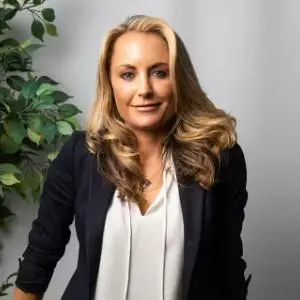
But, over the last four years, I have raised £18 million in VC investment for my company Rem3dy Health and its brand Nourished. I’ve learned some tactics and things you need to watch out for when dealing with VCs that other SME leaders may find useful.
Assume the upper hand
Approach meetings with venture capitalists with the realisation that you are in the greater position of power, not them. You are giving them the opportunity to be involved in a project that you may have spent years turning into a profitable or hugely promising business. You are essentially giving them the opportunity to make money from your innovation and efforts. They should be pleased and grateful to meet you!
Don’t underestimate yourself
You may be nervous; you may have doubts about certain elements of your products of your company’s growth potential. But talk yourself up, before any meeting with VCs. Be confident in yourself as a business person and your venture. I set a UK record for a seed round by a female founder in 2020 and I’m planning a Series B round, next year. This was for a brand, Nourished, that makes 3D-printed personalised nutrient gummies – hardly something VC investors will come across every day. I had to be very confident in my products’ appeal to customers and that they could fill a big gap in the market. Otherwise, VCs might not have taken me seriously.
Research, research, research
Before you approach a potential VC investor, investigate thoroughly what motivates them and whether they are a good fit for your business. If your company works with community projects or marginalised groups, say, does the VC tend to invest in ethical or CSR ventures? Do they have a big emphasis on sustainability? Purpose-driven businesses that aim to solve others’ problems with their products or services, rather than being all about profit, are often very popular with investors.
It can be good to target VCs who have interests in other companies whose aims and networks may complement your brand, such as pharmacy chains if you make health products. How much money has a VC operation been investing lately – are they on a roll and might want to invest more, or should you give them time before approaching them?
It’s worth checking with your business network to see what certain individual investors or firms are like to work with. Do they meddle too much? Will they phone you at all hours? Have they got a reputation for pushing too hard or reneging on agreements?
Make sure you find investors that are likely to really care about your business and share your goals and values. Nourished has worked very successfully with Suntory and French pharmaceuticals giant UPSA on the mutually beneficial projects of launching Nourished in Japan and Europe, respectively.
Practice and refine presentations
Looking for VC funding can become an almost full-time job for SME owners. Part of the reason for this is the need to hone your investor presentations until you are certain they represent you thoroughly and are tailored for who you are meeting with.
Focus on what gives you an edge over other founders. Tell a compelling, powerful but concise story about how you established and grew your firm, including overcoming difficulties or making the most of unexpected opportunities. Take as much time as possible to rehearse presentations.
Be cautious with financial and share agreements
There can be a tendency to get a little over-excited when you secure funding for your SME and agree to deals you might later regret. Make sure you don’t give too much of your company away. My employees and I still own 70% of our business. Be wary about over-valuing your company, even if this means getting a bigger investment. If a VC gives you £1,000,000 for a 30% share of the firm, but it’s only valued at £2,000,000, three years, later, suddenly the VC owns most of your company.
Consider a Simple Agreement for Future Equity, to maximise company value at Series B. This means that the VC doesn’t get shares straight away in return for their investment. Instead, this will only happen at some agreed point, such as a further equity financing round or an acquisition.
Some VCs might ask for a board seat in return for funding. Be prepared to walk away from such offers, unless the investor can bring some excellent knowledge to the table, as well as money.
Be resilient
Even the most charismatic, inventive entrepreneurs with brilliant businesses are likely to face rejection from VCs, at some point. Expect to fail, sometimes, but don’t take it personally or feel it’s an insurmountable judgement of your business. Learn from it, make any necessary adjustments to your business plan or presentations, but bounce back as soon as possible.
Share via: