Today that slice would be worth hundreds of billions. He admitted he believed Apple would succeed, but didn’t want the risk. Jobs and Wozniak themselves were two scruffy guys in a garage with clapped-out cars, not the image of the “serious entrepreneur.” Yet they went on to change the world.
Jeff Bezos was mocked as too geeky, a man in khakis with an awkward laugh working out of a garage. Sara Blakely started Spanx with $5,000 selling fax machines door-to-door. Jan Koum, co-founder of WhatsApp, grew up on food stamps before selling to Facebook for $19 billion.
None of them looked the part. And that’s the point: extraordinary entrepreneurs rarely fit the stereotype when they start out.
Founders don’t always fit the mold
These stories matter because they challenge stereotypes of who gets to be a “real” entrepreneur. Founders can be women in male-dominated sectors, older innovators launching later in life, neurodiverse creators, or young outsiders with no network.
In my own journey, I’ve learned that when you’re building in the early days, you don’t know all the answers. You walk into investor meetings desperate for survival. You might give away more equity than you should, because you don’t have cash. Equity is always more expensive than money, but when you have no money, you have no choice.
The investors who take a chance
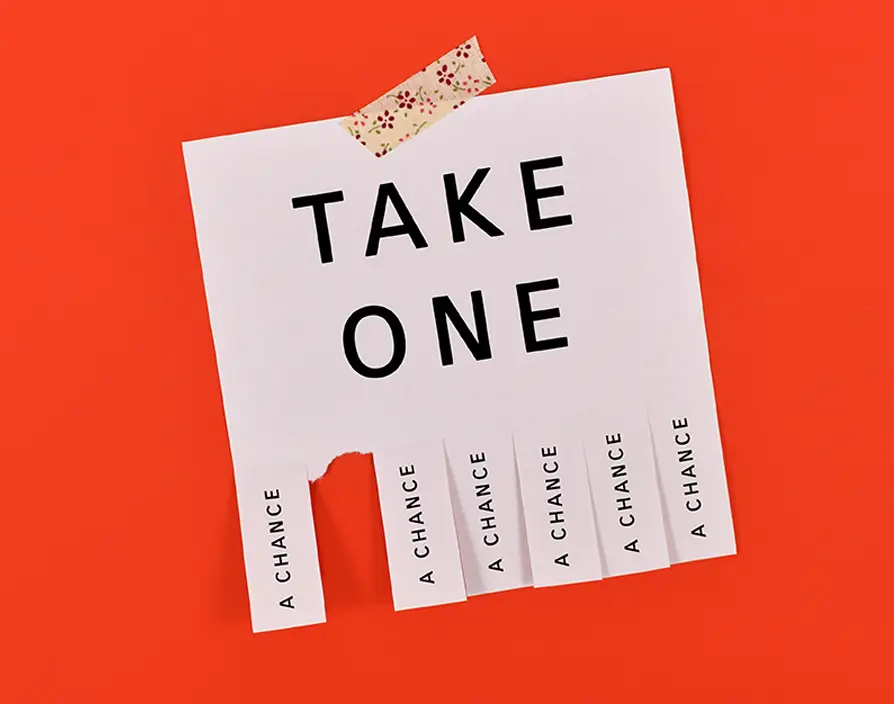
Then there are those who do take a chance. Sometimes because they resonate with the problem you’re solving. Sometimes simply because they believe in you. These early believers are the difference between an idea that fades and a company that thrives.
And it isn’t only investors. Many of us build teams by giving equity instead of salaries. A close business friend of mine scaled his company through Covid and later exited. The highlight, he told me, wasn’t the sale, it was going back to those early hires and handing them life-changing cheques. That moment of shared belief turning into shared reward is one of the purest joys in entrepreneurship.
The problem today – still unequal
And yet, despite all these legendary examples, the fundraising world is still skewed towards a very narrow “type.” The safe bet. The familiar profile. The person who looks like a founder. The data proves it: only 2% of venture capital funding in the UK went to female founders last year. Minority founders, older entrepreneurs, neurodiverse innovators? The numbers are equally dismal.
It’s as if we’ve learned nothing from Apple’s garage or Bezos’ Honda.
A generation that doesn’t see limits
Here’s the twist, though: young people today don’t see glass ceilings. They don’t see “rules.” They don’t even really see hierarchy. They’re growing up in a digital world where a teenager on TikTok can build a brand, an influencer can out-earn a CEO, and a kid with a gaming channel can buy his parents a house.
They believe what they see online, and what they see are people like them breaking through without permission. To them, being underestimated isn’t a barrier, it’s almost an aesthetic. Confidence, audacity, and visibility matter more than fitting some outdated profile.
So how much longer can investors cling to their old filters when the next generation doesn’t even recognise them?
That shift in perspective is powerful. For many of today’s young founders, being underestimated isn’t discouraging, it’s motivating. They don’t see entrepreneurship as a gated community. They see it as a playground where creativity, boldness, and persistence count for more than credentials.
“For my generation, being underestimated has almost become a badge of honour. Entrepreneurship doesn’t feel out of reach, it feels natural. We’ve grown up in a digital era watching young people break barriers and build businesses with nothing but creativity and determination. Imagine how much further we could go if more investors and CEOs leaned into that energy instead of waiting for it to look ‘traditional.’ Those who take a chance on young visionaries today will help create the Amazons and Microsofts of tomorrow.”
Dylan Bolton, 23, research and marketing assistant
Putting this theory to the test, I asked my youngest employee, who is just embarking on the start of his career in business, what his thoughts were on the subject.
What if we did it differently?
What if fundraising worked more like a blind audition? Judge the idea, the traction, the vision, not the accent, the clothes, or the CV. Or better still, what if we started leaning into this new digital confidence, where a brilliant idea can come from anyone, anywhere, and no one’s waiting for permission?
Because the truth is, brilliance rarely arrives in a three-piece suit. Sometimes it shows up in ripped jeans, on a Zoom call with dodgy Wi-Fi, or yes, on TikTok.
A call to investors and founders
The legends of Jobs, Bezos, Blakely and Koum inspire us because they remind us that greatness doesn’t always look obvious at the beginning. But if we want to make the most of the generation coming up now, the ones who don’t see ceilings at all, we need to stop putting them in boxes before they’ve even started.
The future of entrepreneurship belongs to those who take chances on the unlikely, the overlooked, the outsiders. The only question left is: when they walk into your pitch room, or scroll past you on TikTok, will you even recognise them?
Share via: