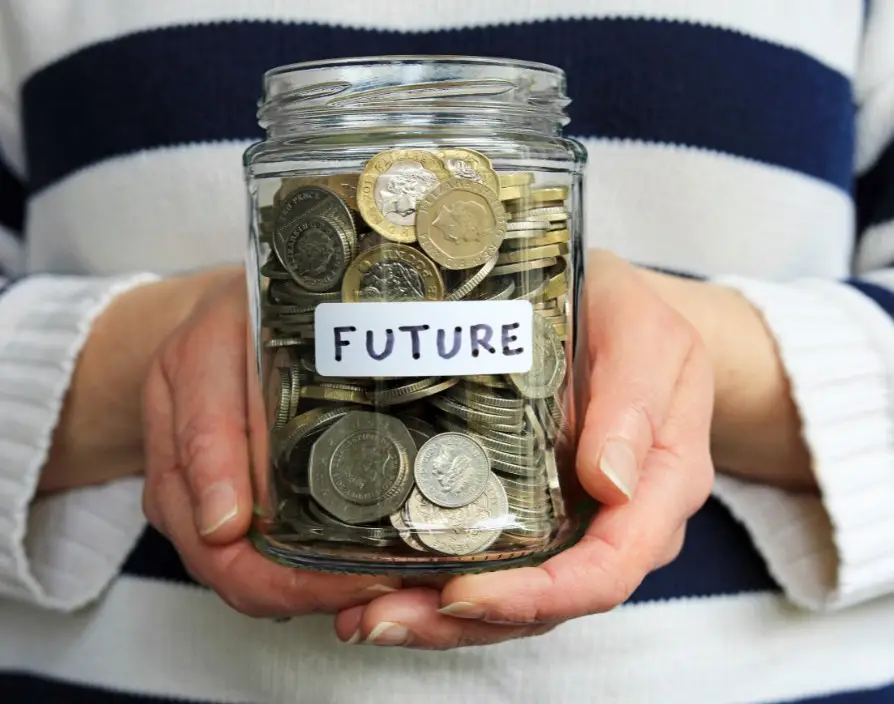
I was excited about the prospect of a government delivering on its promise to be pro-business. However, I saw little sign of this. We seem wholly consumed in trying to fix what we have with not nearly enough focus on finding a better way for the future. We clearly have problems to fix, exemplified by Northern rail admitting that it still uses fax machines to communicate vital messages to its crews, but we need to balance our investment.
As in government the same is true in big business. We work with huge global consumer goods companies who have been highjacked by activist investors pursuing short term returns to the detriment of future, long term investment. In many, CSR sustainability directives have been put on the back burner as an unnecessary expense. For a long time, any innovation has had to go through so many loops it never gets into market. The money men want it perfect first time and they want to see scale at such speed to get the return they demand that everything fails their expectations, so nothing happens.
As a designer I rely on the fact that businesses invest in their futures. If they don’t then I have no work to do because my job is to improve what came before and create the new. It’s quite a responsibility to get it right as our future generations depend on it. But the fact is we don’t always get it right first time, or the second or the third, but when you look around you and compare with how people lived before, we have made significant progress and will hopefully continue to do so. Our health is better due to advances in medical science, our energy is becoming greener with wind and nuclear power and we have plenty of food to eat because of advances in agricultural techniques and new chemistry.
However, none of these are perfect. Wind turbines affected wildlife and disturbed peoples’ views; in isolated cases medicines like Thalidomide and Oxycontin caused and are causing widespread medical crises and overuse of chemical insecticides and fertilisers are destroying the natural systems we depend on. It therefore often feels safer and easier to stay with what we know – because it works, and we understand it so it feels reliable and safe and if it goes wrong, we can fix it. So, let’s just keep trying to squeeze out more performance, more savings and more profit with what we have and make the future someone else’s responsibility.
If that were the case, we would still be driving the veteran cars that headed down to Brighton last Sunday. Interestingly you will have seen vehicles powered by internal combustion engines of course, but also steam and electric motors. It was a time of great invention, experimentation and progress. Even then there were the people saying the horse was better, more reliable and safer and competing railway companies saw cars as a threat. The London to Brighton Run was started as a celebration of the repeal of the law requiring a man with flag to walk in front of every car. Yes, they were terribly dangerous and unreliable, but they held huge potential.
Today we are at a similar transition point. Our equivalent of the automobile is exponential with examples including AI, precision fermentation, green fuels and so many more. All have drawbacks, concerns and require huge investment but they have massive potential.
We must see the bigger picture and proportion our investment for today and tomorrow. I hope government funding will replace fax machines on the railways and flipcharts in hospitals with truly integrated computerised systems. With this short-term fix the savings, error reduction and benefits with be incredible. Yet money also needs to be put aside to invest in nationwide recharging systems which are vital to reboot our stalling EV ambitions. Dealing with obesity at its source with investment into healthier food systems and drugs like Ozempic will dramatically reduce the burden on the NHS in the future.
Every day, working with our clients, I see massive opportunities to innovate and talking with their R&D teams I know they feel the same. They have significant resources and the brightest minds working every day on the future yet somehow their potential is not being realised. Partly it’s because they do not have the power within the business or the budgets to realise this potential. Partly it’s because it would upset the status quo, changing entire systems including supply chain, manufacturing, retail and finance and that’s a lot of people who like it the way it is. True, but just look at what happened to Kodak and is happening to Boeing right now. Invest in the future or decline and die!
Share via: