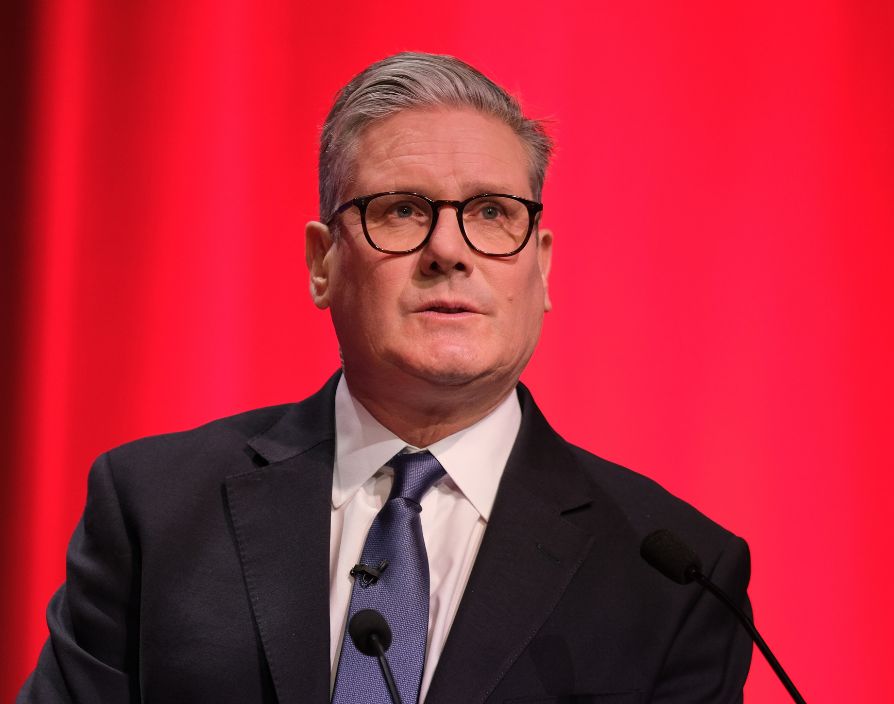
Keir Starmer’s resignation as prime minister has left many SME owners asking the same question: what happens next for business policy?
While Westminster’s attention has quickly turned to Labour’s leadership contest, entrepreneurs are focused on a different concern. At a time when businesses are already navigating rising costs, cautious consumer spending and economic uncertainty, many want to know whether a change at the top could lead to further policy shifts affecting taxation, hiring and investment.
In the immediate term, existing government policies remain in place during the transition. However, business groups warn that another period of political uncertainty risks undermining confidence at a time when many SMEs are already taking a cautious approach to growth.
For smaller businesses, stability matters. Unlike larger organisations, SMEs often have less capacity to absorb sudden changes in regulation, taxation or employment costs. Whether business owners are considering recruitment, expansion or investment, confidence in the broader economic environment plays a critical role in decision-making.
Scott English, founder of Elite Business, believes the UK’s recent cycle of political upheaval is becoming a challenge in itself.
“The UK’s constant change in political leadership is damaging stability and confidence at a time when the country needs clear direction,” he said.
“Businesses, investors and the public all benefit from certainty, yet frequent changes at the top create disruption and make long-term planning increasingly difficult.
“How can any leader truly get to grips with the challenges facing the nation and deliver meaningful change if they aren’t given the time to implement their strategy and see it through? Lasting progress requires consistency, and without it, the UK risks remaining stuck in a cycle of short-term decision-making rather than long-term solutions.”
Concerns about the direction of business taxation are also emerging as a key issue following Starmer’s departure.
Andreas Adamides, chief executive of Helm, the UK’s largest network for scale-up businesses, and founder of the Stop the Creep campaign on business taxation, argues that the next government must rethink its approach to supporting growth.
“If Starmer’s replacement wants to improve the economy, they should stop treating businesses like a tax machine,” he said.
“Relentless tax rises have stalled growth, driven investment elsewhere, and risk turning the UK into an incubator economy that loses its best companies.
“The next Prime Minister has a choice, either keep taxing to the hilt and accept stagnation, or back business as the driver of recovery.”
Freelancers and contractors are also urging policymakers to provide greater clarity.
IPSE, the Association of Independent Professionals and the Self-Employed, says one of the government’s most positive achievements has been progress on tackling late payments. However, the organisation warns that a long-promised consultation on employment status failed to materialise, leaving millions of self-employed workers and the businesses that hire them facing ongoing uncertainty.
Vicks Rodwell, managing director of IPSE, said: “The late payment proposals have been genuinely ambitious and welcome – probably the most meaningful progress on this issue in years. It’s critical that a new government keeps these moving through Parliament and doesn’t let momentum slip during a leadership transition.
“However, the long-awaited employment status consultation still hasn’t materialised, despite Labour promising it before the end of 2025. Freelancers and businesses desperately need clarity on where they stand, and the next leader needs to make this a genuine priority, not kick it further into the long grass.”
Rodwell added that declining business confidence and higher employer costs have created additional pressure on businesses, arguing that the next government must present a credible plan to restore confidence and improve hiring prospects.
Whoever ultimately takes the reins will inherit more than a political challenge. They will inherit an economy where business confidence remains fragile, investment decisions are increasingly cautious and employers are looking for certainty. For SMEs, freelancers and scale-up businesses alike, the message is clear: sustainable economic growth will depend not only on political leadership, but on creating a stable environment in which businesses feel confident enough to invest, hire and expand.
Share via: