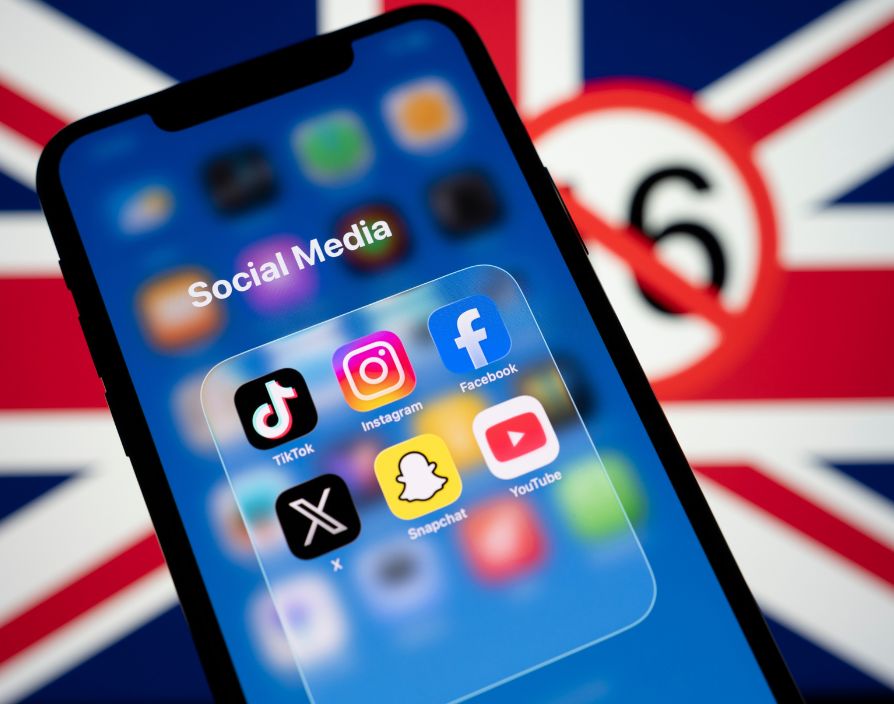
The UK government’s decision to ban social media for under 16s comes a little too late, tragically, but does offer a glimmer hope to try and stem the damage social media can and does have on young people, their minds and mental health.
However, the decision comes at a point where industry is going through severe turbulence – technological innovation and the role of AI (artificial intelligence) in our everyday lives can have pros as well as cons and trying to decouple the role of AI on platforms, will make the decision to ban even harder to implement.
The biggest challenges
Technology companies, who have designed these platforms to be addictive, significantly outpace the policy makers expertise in this space, so policing this decision, especially at a time where technology companies wield so much power, is going to be challenging.
It is not just gen Z and millennials who are heavy users, it’s also gen alpha. Our busy lives have led to many toddlers now knowing to scroll and swipe, to watch their favourite short form content.
At the end of the day, young people are smart and they will find a way if they want to via virtual private networks (VPNs). To succeed, the government will need to create an always on, 24/7 task force with a more global outlook rather than UK centric, otherwise technology innovation will outpace legislation.
Additionally, new commercial ecosystems now exist as the world of work has changed due to social media. For some time now, influencers have been a key part and extension of brand marketing and communications to reach not only niche, diverse online audiences and communities, but the masses of online consumers.
The AI effect
With AI, we are seeing the rise of virtual influencers who, in some cases have larger follower numbers than their human counterparts. For example, influencer Lu do Magalu, a computer-generated character from Brazil has 30m+ followers across all platforms with 9.2m of those on Instagram. She has featured on the cover of Vogue Brazil but started off her career as a virtual career sales assistant helping first time online consumers buy products.
Building trust with consumers – the public – has enabled virtual influencers to become online partners to many millions of people on behalf of advertisers and their brands. In the case of Lu do Magalu, she has now diversified and has the ability to influence what real, human consumers purchase and do. This is now being replicated by organisations, whereby the humble chatbot can now going beyond offering speedy support and with a persona, build perceived meaningful relationships with humans and many cases young people.
The impact on brand owners and organisations
Additionally, any blanket ban is going to have to consider the potential economic impact for brand owners and organisations, of all sizes, that rely on social media platforms to build connections and ultimately sell products and services, whilst protecting the wellbeing of young people.
The technology is so immersed in our everyday lives that any decision made will have implications. The platforms rely heavily on impressing young audiences and young people feel connected to online accounts. This is going to have an impact on the marketing and advertising industry and the brands they represent.
I am not sure the policymakers have the technology and commercial know how to enforce this decision. Many are not digital natives but, one thing is for sure, young people who were born into the digital age, understand and navigate it far better than those wanting change and implement legislation. For all intents and purposes, the horse has already bolted.
Share via: