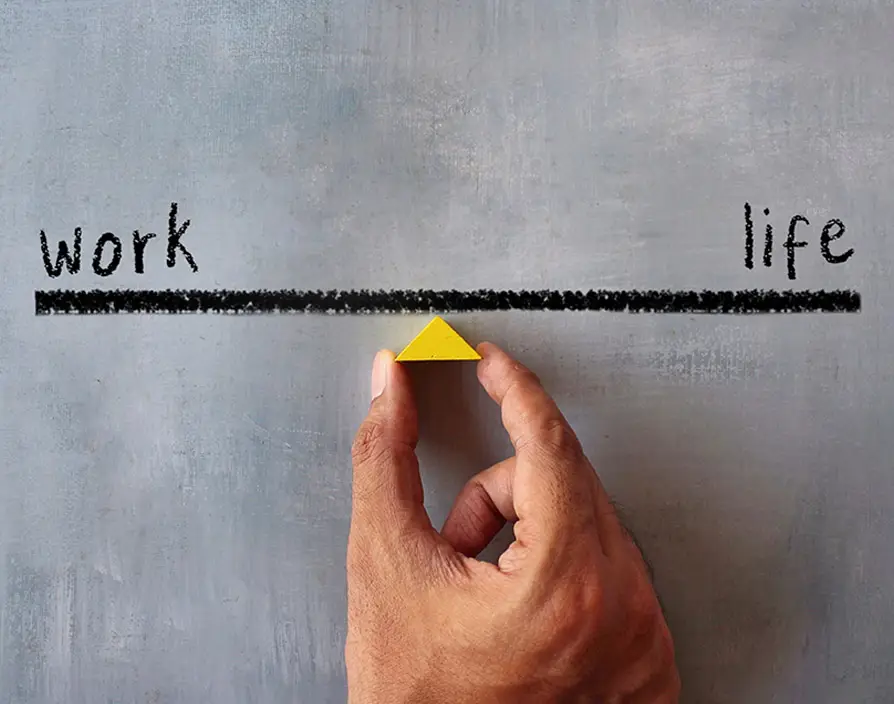
As co-founder of Phase, I’ve learned that sustainable growth requires sustainable founders, and that means thinking proactively about how to protect your balance.
The startup world loves to celebrate the founder who sleeps under their desk, who answers emails at 2am, who sacrifices everything for their vision. But here’s the uncomfortable truth: that narrative isn’t just unsustainable – it’s actively harmful to both founders and their businesses. And for female founders, who already face additional pressures and biases, the “always on” mentality can be particularly destructive.
The myth of “always on”
The hustle culture narrative is everywhere in startup land. Work harder, sleep less, outwork your competition. It sounds inspiring until you realise it’s a recipe for burnout, poor decision-making, and ultimately, business failure.
For female founders, this myth is particularly damaging. We’re already fighting an uphill battle for credibility, funding, and recognition. The pressure to prove ourselves by working harder than everyone else is immense. But here’s what I’ve learned building Phase: commitment doesn’t require sacrifice of everything else that makes you human.
The difference between being committed and being burnt out is crucial. Commitment is sustainable energy directed towards your goals. Burnout is running on empty and calling it dedication. I should know – I built Phase as a solution to prevent burnout precisely because I’d experienced it firsthand. When I feel like work is running away with me, I’m proactive about pulling it back. My own journey from burnout to balance wasn’t just personal – it became the foundation of our entire business philosophy.
The irony isn’t lost on me that while building a tool to help women avoid burnout, I had to constantly guard against it myself. But in doing so, I’ve developed a mindset and toolkit that makes it achievable to scale a business, without shredding yourself. And here’s how.
Setting boundaries that actually work
Boundaries aren’t walls – they’re foundations. Without them, everything else crumbles. But setting boundaries as a founder feels impossible when every decision matters and every opportunity could be the one that changes everything.
The key is the “non-negotiables” approach. These are the things that stay sacred, no matter what chaos is happening in your business. For me, that’s horse riding every Thursday morning. My time, no meetings, no parenting, just me and the horse. It might sound frivolous when you’re trying to build a company, but that two-hour window keeps me sane, centred, and ultimately more effective in every other area of my life.
At Phase, we’ve structured our weeks around individual rhythms rather than arbitrary office hours. Each person sets their own cadence. We work hours that work for us, but there’s no expectation that someone would be online to respond immediately. If something is genuinely urgent, we call. Otherwise, the expectation is that a Slack message deserves a response within 24 hours, not 24 minutes.
This approach might seem risky when you’re trying to move fast and make things happen. But it’s actually made us more productive. When people work during their peak hours and respect their own energy patterns, the quality of work improves dramatically.
I’ve also learned the power of saying “not yet” instead of “no”. Every opportunity feels urgent when you’re a startup, but most things can wait. “Not yet” acknowledges the potential value while protecting your current focus. It keeps doors open without overwhelming your plate.
Building systems, not just habits
The difference between successful founders and burned-out ones often comes down to systems. Habits require willpower and consistency. Systems work even when you’re tired, stressed, or temporarily absent.
Creating processes that work when you’re not there has been crucial for Phase. We’ve invested heavily in documentation and tools like Linear that maintain a full record of where we got to last time. This means we can pick up and put down work without losing momentum or context. When we take days off or time out, the work continues seamlessly.
Delegation isn’t a luxury for founders. It’s a survival skill. But it’s not just about delegating to people. Learning when to bring in experts versus developing skills in-house is crucial. So is understanding when to use AI, which is becoming more useful daily. We have built a series of agents to support us with planning, content creation and coding. The question isn’t whether you can do something yourself, but whether you should be doing it yourself.
I’ve learned to ask: Is this the highest and best use of my time as a founder? If the answer is no, it’s time to delegate, automate, or eliminate.
The biology of burnout
This is where Phase’s core philosophy becomes personal. Understanding your energy cycles isn’t just good advice for our users, it’s essential for founders.
As a female founder, I operate on roughly a 28-day energy cycle, not the 24-hour cycle that most business advice assumes. Some weeks I’m naturally more creative and collaborative. Others, I’m better suited for analytical work or strategic planning. Fighting these natural rhythms is exhausting and counterproductive.
I use cycle syncing to plan intensive work periods versus recovery time. During high-energy phases, I schedule investor meetings, important presentations, and creative brainstorming sessions. During lower-energy periods, I focus on administrative tasks, planning, and reflection.
This isn’t about making excuses or lowering standards. It’s about optimising performance by working with my biology instead of against it. The competitive advantage of this approach is significant – I show up more energised, make better decisions, and avoid the energy crashes that come from ignoring natural rhythms.
Practical tips for founder balance
Time-blocking for life admin: I schedule personal tasks like any other meeting. Doctor’s appointments, grocery shopping, even downtime gets blocked time. If it’s not in the calendar, it doesn’t happen.
Founder’s calendar vs manager’s calendar: A manager’s calendar is chopped up into meetings and reactive tasks. A founder’s calendar needs large blocks of uninterrupted time for deep thinking, strategy, and creative work. I protect chunks of time for founder-level thinking and leave afternoons for meetings and collaboration.
Setting expectations: I’m explicit with investors, team members, and family about my working style and boundaries. This prevents misunderstandings and reduces the pressure to be constantly available.
The Sunday reset: Every Sunday, I review the week ahead and identify potential pressure points. Where might I be tempted to overcommit? What boundaries might get tested? This proactive approach prevents reactive decisions.
Energy audits: I regularly assess what activities give me energy versus what drains it. I try to structure my weeks to maximise energising activities and minimise or batch the draining ones.
The long game
The businesses that last are built by founders who last. And founders who last are those who understand that their wellbeing isn’t separate from their business success, but is fundamental to it.
Balance is a daily practice. The stronger your foundation, the higher you can build. Every boundary you set, every system you create, every time you choose sustainability over short-term hustle, you’re investing in your company’s future.
The startup world might celebrate the founder who sacrifices everything, but I’d rather build something that doesn’t require that sacrifice. It’s better for myself, my team, and ultimately, for Phase itself.
Share via: