
We all have habits—some good, some not so much. Many of us set goals; but without a solid plan to back them up, those goals remain mere wishes. To create lasting change in your life you need to start by reflecting on where you are, identifying what you truly want, and applying steps to make it happen.
How did you sleep last night?
An often-overlooked aspect of health is sleep. Rate your sleep out of 10. How did it go last night? Sleep is the cornerstone of your mental, physical, and emotional wellbeing. Without a good night’s rest it’s much harder to stay disciplined, focused, and resilient in the face of stress. So, let’s keep sleep as a focal point as we move through suggested ways to improve outcomes for how you embed better health.
I read recently that the life of a spectator is tough, I was not in the best frame of mind at the time and whilst I utterly ‘get it,’ try being an entrepreneur, the modern-day gladiator. Too much perhaps but mindset has a huge amount to do with our ability to build success, as does the visualisation of rewards, intentions and outcomes.
Also, reflection time has, for me, been a huge enabler in recent months. Think back over the last year and write down the key things you’re thankful for. How have you grown? What challenges did you overcome? And what did you learn? Reflection helps ground you while recognising the progress you’ve made, even when things haven’t gone perfectly.
Goal setting for improvement
I do believe that what we capture, what we write down, gets done. I revise my life plan – the pie chart for my own expectations; each year. With that in mind write down three big goals you’d like to achieve over the next 12 months. These can be related to your physical, mental, or emotional wellbeing—or any other area of your life. Don’t hold back—think big! What do you really want to achieve, and how do you envision yourself getting there?
Be specific about your goals
To truly commit to a goal it needs detail—it must feel real. Using the SMART framework (Specific, Measurable, Achievable, Realistic, Time-Bound), break down your goals with precision. But for a modern twist, consider the CLEAR approach to setting goals:
- Collaborative: Involve others to create accountability
- Limited: Keep goals focused and manageable
- Emotional: Ensure your goals are aligned with your deeper values
- Appreciable: Break larger goals into smaller, actionable steps
- Refinable: Be open to adapting your goals as circumstances change
Here’s an example:
I want to lose 8 pounds in 8 weeks. By [date], I will have achieved this goal through healthy eating and regular exercise. I will work out 3 times a week (on which days and times?) and follow a clean eating plan that suits me. I’ll allow myself one cheat meal per week as a reward working towards success that enables me to XYZ?
Now, craft your own goals using this approach. Be specific, be clear, and make it achievable. Healthy habits such as joining a gym are all very well but stats prove that having a buddy makes a difference. But not nearly as much of a difference as when we have a ‘Why’.
Find your why
Your WHY is the foundation of your journey—it’s the emotional connection to your goal. Without a strong ‘why’ it’s easy to give up when things get tough. Ask yourself these questions to get to the heart of your motivation:
- Why do I want this?
- Why is it so important to me?
- How will my life be different when I achieve it?
- How will I feel once I’ve reached my goal?
Knowing your why helps you stay the course when challenges arise, keeping you grounded in the ultimate reward of reaching your goal.
Challenges are inevitable though and they can be both external (things beyond your control) and internal (your own mindset and behaviours). External obstacles might be life events, unexpected setbacks, or other people’s expectations. Internal roadblocks often stem from self-doubt, fear, or comfort-seeking behaviours. Identify both types of obstacles and think ahead about how you’ll handle them. For example, if you know you’ll face peer pressure at a social event, consider strategies like driving to avoid drinking, or opting for a non-alcoholic drink; or just don’t go for a period. But when you do, set a boundary.
Overcoming internal obstacles
In my opinion women reference imposter syndrome too much, while some take on board the wicked word ‘guilt’ which I banished years ago as I made choices to live an interesting, different, entertaining and unique enterprise driven life.
One of the biggest roadblocks you’ll face is yourself. Growth means discomfort and change. Humans are generally not great at change but the only constant is change and we need to grow, experience stuff, push outside comfort zones, as well as respecting the only engine we are gifted (a one-time deal for life); our bodies. You can’t grow if you stay comfortable. Your subconscious mind will always seek the path of least resistance, so you need to plan ahead and create habits to overcome this. You can reward yourself along the way. Break down bigger goals into steps and stages, and share ambitions with others that can hold you accountable. For example, a business forum, a mentor or a trusted partner who understand the importance of your progress.
Plan in time, write down the plan, then start taking action
Taking small, consistent actions is the key to long-term success. I have recently felt myself procrastinating. I was asked what have been my biggest failings, the list is endless; but right now my personal disappointment is procrastination. I am working my way through it and adopting/resetting tried and tested mechanisms such as things to do lists that hold me accountable to get back on track.
To re-iterate, establishing a solid sleep routine is crucial. Review your current sleep patterns and pick one area to improve. Perhaps you need to go to bed at a consistent time, or maybe you need to cut out screen time well before bed. Small adjustments can lead to big improvements.
Sleep Hygiene Tips:
- Turn off screens at least one hour before bed
- Keep your bedroom cool and dark
- Avoid heavy meals and alcohol before bed
- Consider incorporating a relaxation routine, like meditation, before sleep. You all know this stuff; you just choose not to practice it?
Use tools like Scented balms (lavender is great for relaxation) to create associations between scent and relaxation, helping you drift into a restful sleep.
Remember that real change takes time, patience, and a plan. Your habits are powerful, and with the right approach, you can shape them to help you achieve your goals and live a healthier, happier life. You can bring others on the same journey. Keep visualising your success.
The power to choose, the freedom to go, the opportunity to effect positive change, is entirely within most people’s skill set.
Finally here are some products that can support you in your journey to consider
Change the Pace – Puzzle and Balm set – This is one idea and it helps break bad habits
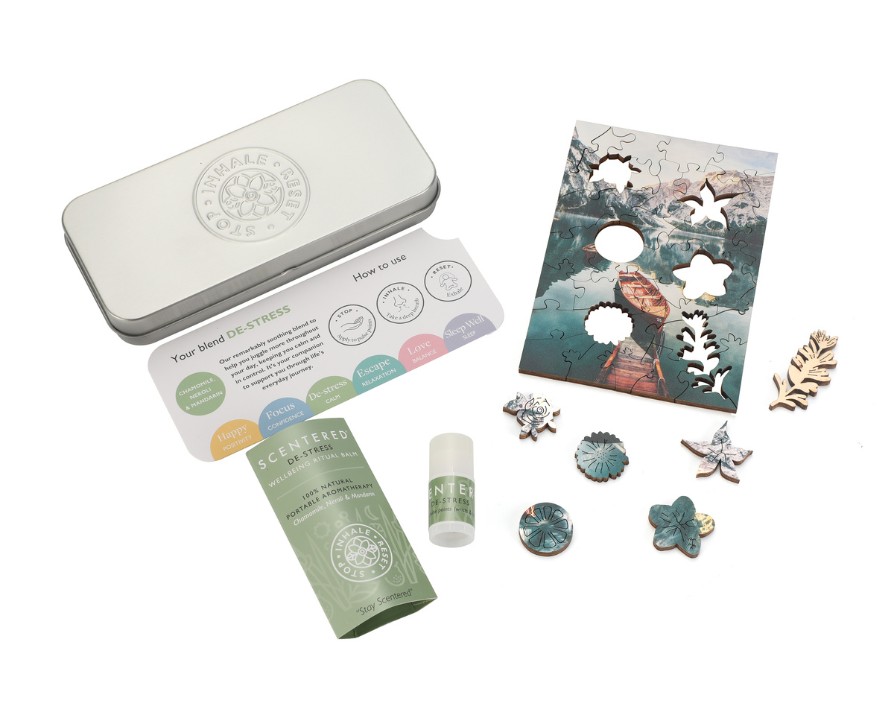
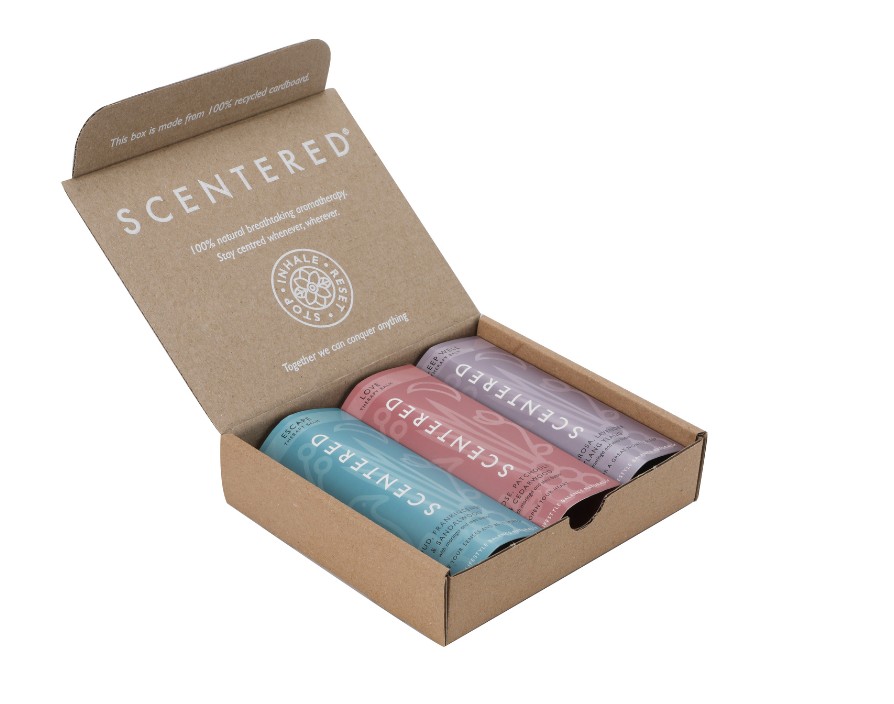
Be Kind to Yourself – Corporate habit change supportive tools for you and your team to take a moment for themselves
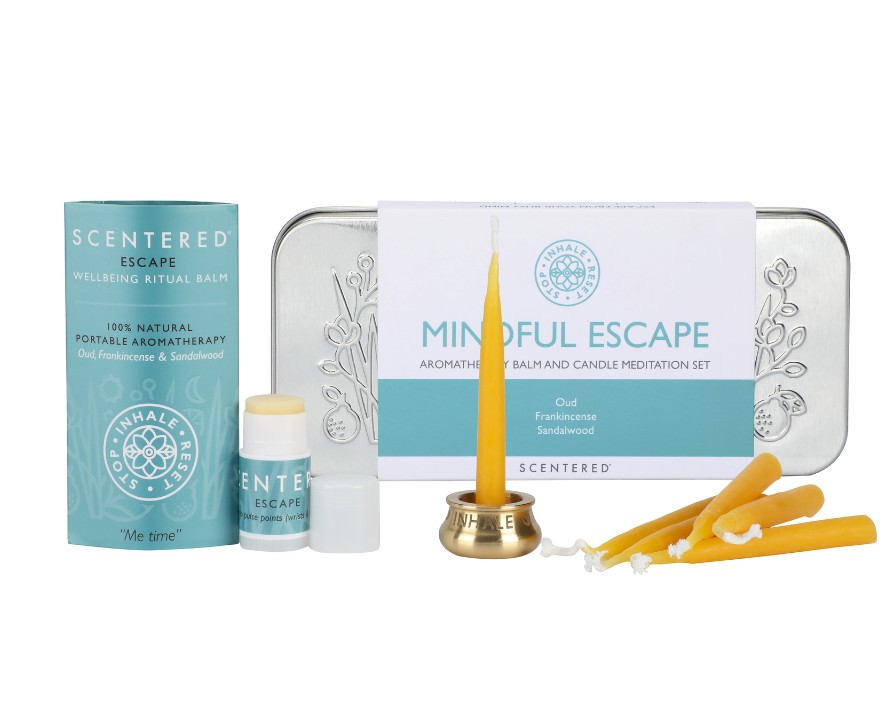
Mindful Escape Relaxation Set – Executives are suffering from burnout and pressure and this set has been designed to give them a few minutes for themselves each day so making thought of staff gifts.
To find these products and more please visit us at Scentered.com