When I was 13, everything changed. My mum discovered my dad had secretly racked up £90,000 in credit card debt. Not long after that, was paid off through voluntary redundancy, I found out he owed HMRC £150,000. By the time I was 19, my parents were divorced. My dad stopped speaking to my sister and me, and disappeared from our lives.
Apart from a silent encounter at my grandma’s funeral, I haven’t seen him since. He has a new child now. A new life.
I had to figure things out on my own. And fast.
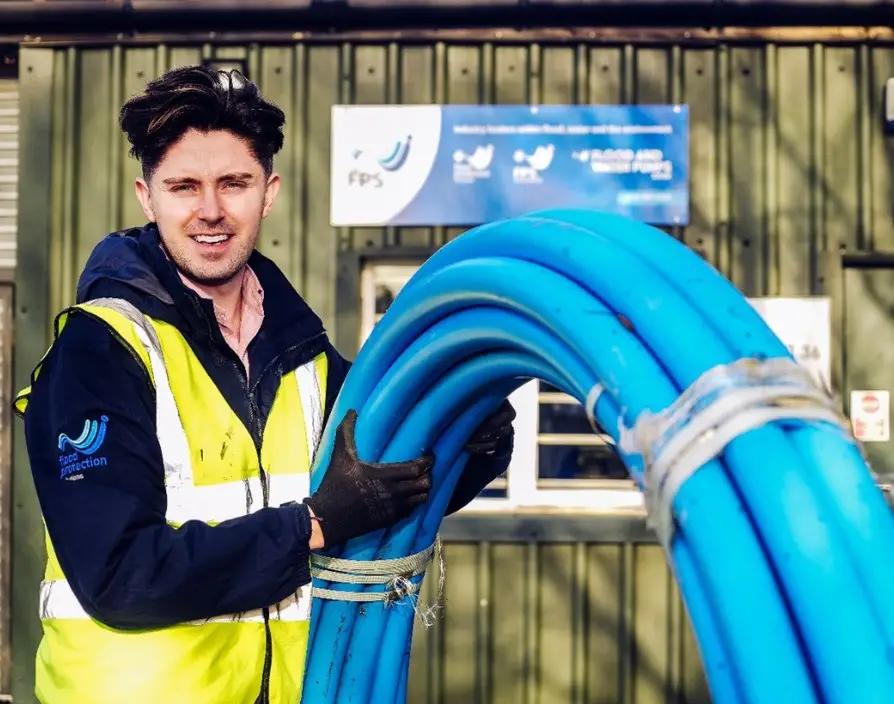
At 18, I started my business. It wasn’t a side project or a passion experiment. It was survival. We’d been flooded at home, and I saw first-hand the impact it had on my family. I wanted to help others avoid the same experience. I had no funding, no safety net, and no room for error.
That pressure shaped me.
This isn’t just a personal story. I’m writing this because there’s a narrative I don’t think we talk about enough in entrepreneurship: what it’s like to build a business when you have no fallback, no family support, and nothing to catch you if it fails. There are thousands of entrepreneurs who come from instability, dysfunction, or trauma. And they don’t get enough credit for how hard it is to not just survive, but to succeed.
I had a good education, and I’m grateful for it. But education alone doesn’t prepare you to run a company. It doesn’t prepare you for dealing with payroll stress, tough decisions, or imposter syndrome when you’re still barely an adult. Most of all, it doesn’t teach you how to lead while you’re quietly rebuilding your sense of self.
Looking back, I can see how not having a safety net made me ultra focused. I couldn’t afford to drift or procrastinate. I learned to take responsibility early. To build systems. To be consistent.
I also had to learn what kind of entrepreneur I wanted to be. I wasn’t interested in flash or hype. I wanted to solve real problems, create real impact, and build something long-term. That mindset came directly from the instability I grew up with.
Here’s the thing: by building a business, I wasn’t just creating a future for myself, I was creating impact for others. What started as a way to support myself has grown into something much bigger. Nothing makes me prouder than seeing our work make a difference, whether that’s designing drainage systems that enable new homes to be built safely, influencing national flood policy, helping bring ‘Build Back Better’ to Parliament, shaping evidence for the Procurement Act, or making existing homes more resilient to the next storm. When you build with purpose, the impact doesn’t stop with you.
So what’s the point of all this? It’s to say this: if you’re building a business and it feels like you’re doing it on your own, you’re not alone. If your background doesn’t fit the glossy success stories you read online, that doesn’t mean you can’t make it. In fact, it might be the very thing that gives you an edge.
Your past doesn’t define your potential. What matters is what you do next.
I’m not saying it’s easy. I’m saying it’s possible.
And if you’re reading this while navigating your own version of chaos, keep going. You might be building something more powerful than you realise.
Share via: