Fear is part of being human. It arrives as a knot in the stomach before a pitch and as a whisper that you are not good enough. However, pretending it is not there wastes energy. The useful question is not whether fear exists but how you handle it.
Fear can be paralysing. When I lost my business and my home in 2004 it felt like a full stop. Creditors’ meetings became rituals of humiliation. I couldn’t sleep or eat. It would have been perfectly understandable to take a secure job and never risk building a business again. Instead, I did something that might sound reckless: I used that fear. I tasted failure and decided never to live like that again. That fear became fuel, pushing me into planning, hard work and, ultimately, rebuilding.
So fear is both inhibitor and driver. Left unchecked it narrows your horizon and stalls action. Managed well it becomes a touchstone; a measure of when to be cautious and when to be bold. When a bigger competitor appears you can either fight by improving your offering and sharpening your marketing, or you can pivot, scale back or seek shelter under a larger company. Entrepreneurs tend to choose fight, but fighting does not mean blind reckless activity. It means calculated action informed by a clear view of downside risk.
That is the balance I aim for. I take risks but I do not gamble the lot. In 2020 I bought a second office block adjacent to our existing HQ as the pandemic upended daily life. Common sense told me that working from home would not be a permanent state and that property bought at a sensible mortgage level could be a solid long term investment. Yet if the mortgage had been unaffordable I would have walked away. Fear stopped me from reckless optimism and hope let me see the opportunity.
There are subtler fears too. Imposter syndrome is the most persistent. The voice that says you are a lucky fraud, that any day someone will pull the curtain back, is ugly and debilitating. For me it is fuelled by memories of being mocked as a child for being poor and later for being ‘posh’. That early criticism left a residue that still makes me self-conscious.
If this resonates you will recognise the physical signs: sweating, dry mouth, sleepless nights, mental loops that rehearse worst case scenarios. The inner critic repeats phrases like ‘I am not ready’, ‘I do not want to make a fuss’, ‘I will do it when I feel more confident’. Those are avoidance scripts. Accepting that fear is part of the journey is the first step to taking it apart.
Here is how I work with fear. First, name it. Put the fear into words and write it down. If you are nervous about a big client pitch, write down your fear and then play ‘what if?’ For example, ask yourself ‘What if the client says no? Then what happens?’ Keep asking, until the worst case looks survivable. Often it does. That exercise shrinks the imagined catastrophe to something you can manage. Another useful habit is to record three reframes for every fearful thought. It forces your brain to look for other meanings and softens the hold fear has on your narrative.
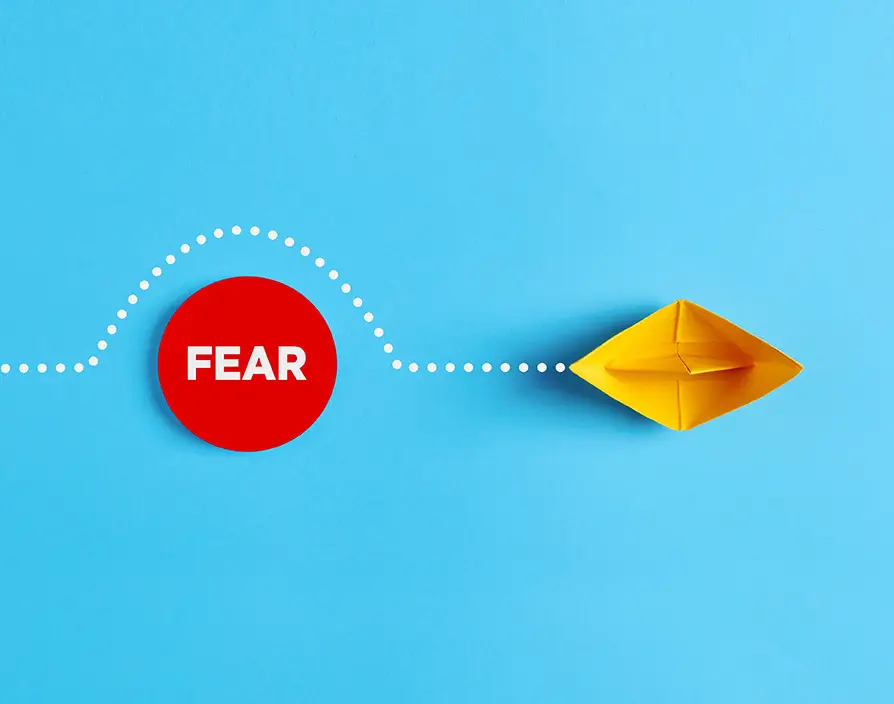
Inevitably, fear will sit on your shoulder, but don’t forget that it’s you who’s steering the ship. And hope is not the absence of fear. It is the conviction that the future can be better and that, with thoughtful action, you can get there. The best entrepreneurs I know are not fearless. They are realistic about danger and stubborn about possibility. They let fear sharpen judgement and let hope keep them moving. That combination is, for me, the only reliable recipe for prudent courage.
If you walk with fear, name it and use it as fuel, you will find you are not carrying a burden. You have a companion that reminds you what matters and pushes you to prepare. That is how I have kept moving forward, and how I would advise anyone who asks whether fear is a friend or enemy.
Share via: