Considering the financial implications
For SME business leaders, this shift presents both opportunities and challenges. While flexibility can improve employee well-being and productivity, the financial implications of adopting new working arrangements must be carefully considered. By weighing up these factors and implementing strategies to maximise efficiency, SMEs can thrive in this new era of work.
The impact on employee well-being and productivity
The link between employee well-being and productivity is clear. According to a 2020 study by McKinsey, organisations with highly satisfied employees experience a 23% higher productivity rate. Hybrid working has shown to improve work-life balance, and for many employees, it reduces stress by eliminating commutes and providing the flexibility to manage personal responsibilities.
However, remote work isn’t without its challenges. Isolation, lack of face-to-face communication, and distractions at home can negatively impact engagement and mental health. Hybrid models, which combine remote and in-office time, strike a balance by maintaining collaboration while offering flexibility.
Financially speaking, healthier work-life balance and increased engagement can lead to lower absenteeism. Gallup’s 2020 “State of the Global Workplace” report found that highly engaged teams result in a 41% reduction in absenteeism.
Financial implications of remote and hybrid working
Cost savings
Shifting to remote or hybrid strategies can bring immediate cost savings:
Reduced office space and operational costs
With fewer employees on-site, many businesses are downsizing office spaces or adopting flexible workspaces. Global companies like HSBC plan to reduce office space by 40% (BBC, 2021), highlighting the cost-saving potential. Utility bills, office snacks, cleaning services, and maintenance costs all decrease drastically with hybrid models.
Expanded talent pool
SMEs can recruit from anywhere, reducing salary pressures in expensive markets and bringing in top talent at competitive rates.
Investment requirements
The upfront costs of hybrid working can’t be ignored. These include:
Technology
Providing employees with high-quality laptops, collaboration tools such as Zoom or Slack, and secure internet connections is essential. According to Gartner, global spending on cloud collaboration tools surged to $4.7 billion in 2020.
Cybersecurity
SMEs transitioning to remote work must strengthen digital safeguards, such as VPNs and endpoint protection, to protect sensitive company data.
Training and support
Managers may need training to lead hybrid teams effectively. Encouraging better time management skills and digital etiquette also ensures smoother communication and workflows.
Boosting productivity in a remote or hybrid model
Successfully navigating this shift isn’t just about saving money—it’s about unlocking the full potential of your workforce. Here are some proven strategies to enhance productivity:
Establish clear communication channels
Use tools like Microsoft Teams or Slack for seamless messaging and task assignments, while reserving weekly video calls for more in-depth discussions.
Foster a results-oriented culture
Focus on outcomes rather than micromanaging daily tasks. Setting clear KPIs and empowering employees to work autonomously nurtures trust and accountability.
Maintain regular check-ins
One-on-one conversations give managers insight into how employees are adapting, addressing pain points before they escalate into frustrations.
Equip employees with the right tools
Time management apps like Trello or Asana support remote workflows while file-sharing platforms like Google Drive or Dropbox keep teams on the same page.
Promote collaboration and team building
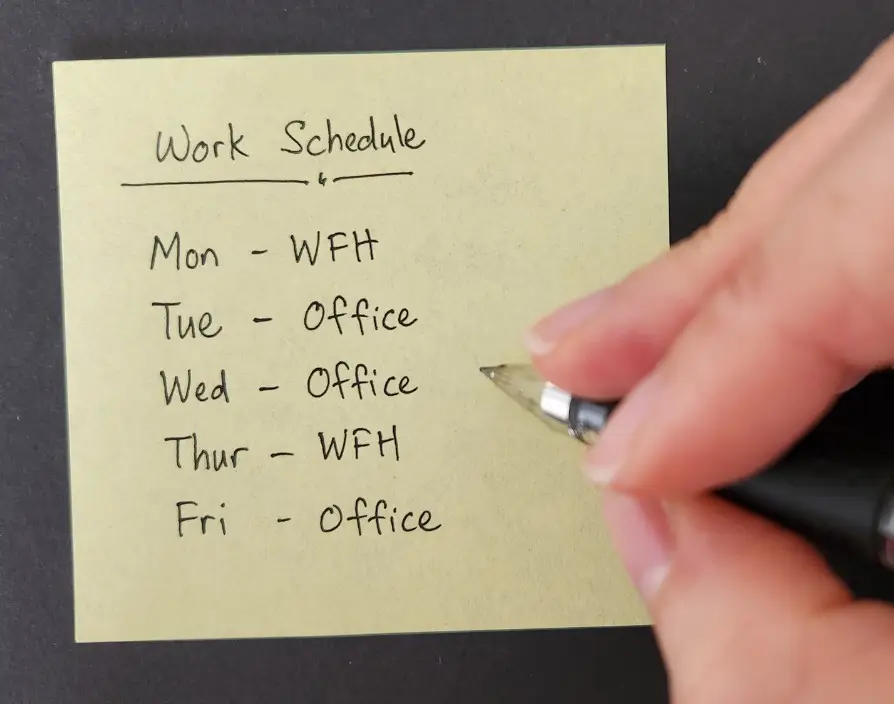
Hybrid models should include scheduled in-office days to foster relationships and collaboration. For fully remote teams, virtual team-bonding events keep morale high.
The road ahead
Remote and hybrid working models are reshaping the business landscape. For SME business owners, this presents a unique opportunity to enhance productivity, reduce costs, and prioritise employee well-being. By careful planning, learning from industry leaders, adopting the right technologies, and fostering clear communication, SMEs can transition effectively—and thrive financially—in this new era of work.
Empower your team, elevate your business, and unlock financial rewards by crafting a work model that truly works for you.
Remember, transitioning successfully to remote or hybrid setups is as much about fostering a strong organisational culture as it is about implementing effective technology. Companies that plan well and invest in their people and processes now will not only adapt to the changing work landscape but reap the financial benefits it offers in the long haul.
Share via: