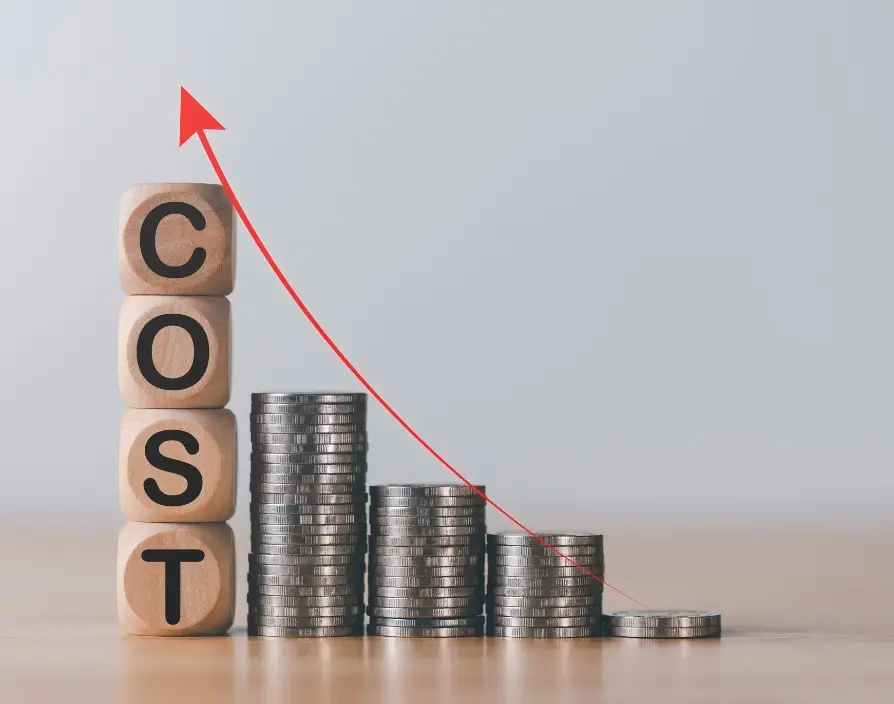
As the new tax year gets underway, many small businesses will be facing a triple whammy of higher costs, with increased bills for employers’ National Insurance, business rates, and the national minimum wage. Not only this, but higher energy and water bills from April are likely to have an impact for the majority.
That’s why it comes as no surprise that almost half of businesses (43%) are planning to increase prices as a direct response to tax hikes. At the same time, a quarter (24%) are putting their hiring plans on hold.
Following a Spring Statement last month that focused on growth, this data makes for difficult reading, particularly as economic conditions have forced the Office for Budget Responsibility (OBR) to halve its growth forecast for 2025 from 2% to 1%.
On the flipside, the OBR has upgraded its growth forecast for the next four years to between 1.7% and 1.9%. The contribution of small businesses and the self-employed to these targets will be absolutely crucial. It is, therefore, of real concern that almost one in five (18%) small business owners fear that they will have to close their business within a year if economic conditions don’t improve. This could result in the loss of almost one million SMEs in the UK, with a devastating impact on the economy and local communities.
A positive to take from the Spring Statement is the Chancellor’s emphasis on employment. The £600 million of funding pledged to the construction industry is welcome news for the nation’s builders. But the question remains: will this capital be deployed to small and independent construction firms? The Federation of Master Builders frequently points to the contribution of SMEs when it comes to training the next generation of tradespeople, with over two thirds of apprentices being trained by smaller firms. Given that small businesses account for over half of employment in the private sector, and train the pipeline that follows, it would have been great to see similar funding announced for more business sectors.
As we look towards the second half of 2025, we must face the harsh truth that trading conditions for SMEs could become even more challenging. Not only will we see the true impact of higher taxes and price rises, but the effects of a turbulent global economy will inevitably take their toll on some.
Despite this, and in a show of resilience which is so characteristic of the sector, 57% of SMEs continue to feel positive about their business prospects. A thriving SME sector is crucial for a healthy economy and small businesses deserve to enjoy the best conditions to kickstart growth and innovation.
When UK small businesses thrive, we all feel the benefit. If we want to see a real step change, it’s vital that tackling financial barriers and simplifying regulation for the small business sector are at the top of the national agenda. Not only would this unleash creativity and boost productivity, but it would go a long way to help meet our ambitious economic growth targets for 2026 and beyond.
Share via: