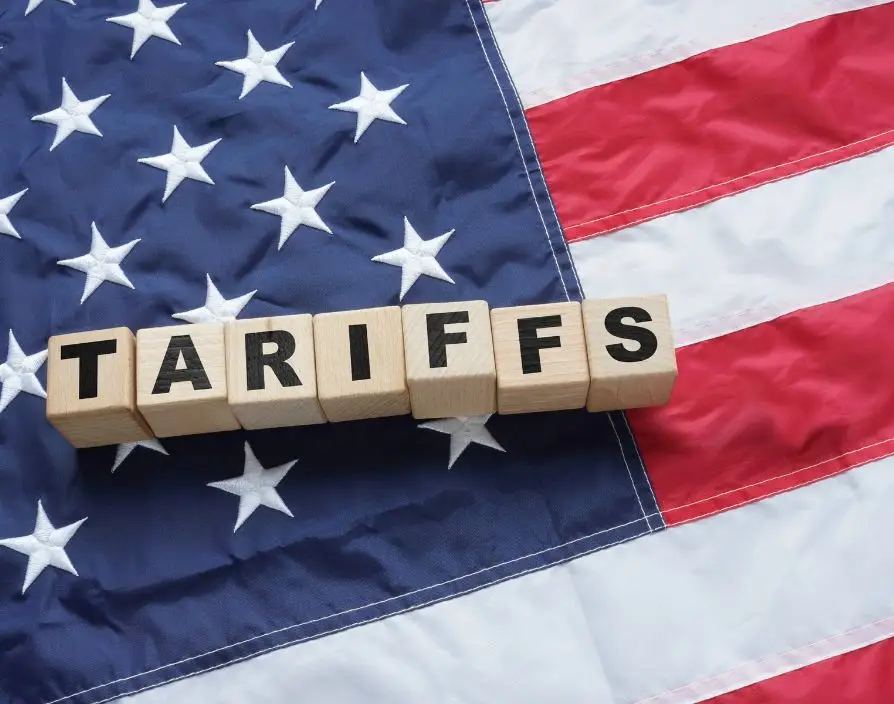
A proposed 15% tariff under Donald Trump may be sold in Washington as a bold national defence of American industry. In the UK however, it would land very differently – not as rhetoric, but as cancelled orders, stalled containers, and tense conversations around SME boardroom tables far from Westminster.
When trade policy shifts at this scale, the headlines focus on multinationals and stock markets. If implemented, SMEs would feel the real shock. The UK’s export success is not built solely on corporate giants; it rests on thousands of specialist manufacturers, component suppliers, chemicals producers, tech firms and logistics operators that quietly and successfully operate with a transatlantic commerce. They are agile, innovative, and regionally rooted – but also financially exposed to shocks such as Trump’s proposed global tariff.
A 15% tariff is not a marginal adjustment. It is a hard cost barrier that immediately makes UK goods less competitive in the world’s largest consumer market. For SMEs operating on margins of 5–10%, such a shift does not simply trim profits, it can wipe them out entirely. For example, an aerospace subcontractor in the Midlands or a pharmaceutical ingredients supplier in the North East cannot easily “absorb” that increase. Nor can they swiftly replace an American client that may account for a third of annual revenue.
The first blow would be demand shock. U.S. buyers, faced with higher import costs, would renegotiate contracts, delay orders, or switch to domestic suppliers. Warehouses in the UK could quickly fill with unsold stock and production lines slow. Cash flow, the lifeblood of smaller firms, would tighten significantly. Unlike multinational corporations, SMEs rarely sit on vast reserves and for some SMEs a short period of disruption can quickly become a solvency crisis.
The second stage would be stealthier, driven by competitive realignment. Countries locked out of the U.S. market would redirect surplus goods into Europe. UK SMEs, already squeezed by high energy costs and elevated borrowing rates, would face intensified price competition on their own doorstep. A race to the bottom on pricing would erode margins just as input costs remain stubbornly high.
Currency volatility would compound the pressure. Sterling could swing sharply in response to global uncertainty if tariffs proved to be more than temporary. While large firms routinely manage currency risk, many SMEs cannot. Contracts negotiated in dollars months in advance could suddenly turn loss-making overnight.
Logistics networks would add another layer of instability. Companies clambering to re-route supply chains to avoid tariff exposure could potentially clog ports and stretch freight capacity and we would see shipping costs rise, as delivery timelines lengthen. For small exporters dependent on reliability and reputation, even modest delays can undo years of relationship-building.
Beyond the immediate turbulence lies a deeper risk: the erosion of the UK’s industrial ecosystem. We should remember that SMEs are not peripheral players; they are innovation engines, major regional employers, and critical connections in high-value supply chains. If sustained uncertainty forces them to scale back investment, shelve expansion plans or reduce staff, the long-term damage could outlast the tariff itself.
For SME leaders, this is not a call for panic, but for preparation: reassessing customer concentration, stress-testing margins, and reviewing exposure to currency and logistics risk.
Of course, we should remember that this policy could prove fleeting and yet another episode of political brinkmanship generating more headlines than harm. We should remember that UK SMEs have shown resilience through Brexit, a pandemic, and an energy shock. Therefore, many would adapt, diversify, and endure.
But resilience should not be mistaken for immunity. Trade wars are rarely fought in grand corporate headquarters; they are absorbed in small factories, industrial estates, and research labs. For the UK’s SMEs, a 15% tariff would not be a negotiating tactic. It would be a reckoning if it were played out in the long term.
Share via: