Scheduled for 30th October, this Budget represents a pivotal opportunity for the government to address long-standing issues affecting small businesses and stimulate sustainable, long-term growth.
“We’re sick of stagnation” – SMEs call for action
In a strong statement, the FSB emphasised that small businesses are “sick of stagnation.”
The group is calling for specific measures aimed at boosting business confidence, easing employment costs, and lifting firms out of burdensome business rates. The call for action comes amid troubling figures released by the Office for National Statistics (ONS), which show a worrying trend: between early 2023 and early 2024, the number of small businesses in the UK fell by 56,000, accompanied by a slight decrease in employment within the sector, from 16.7 million to 16.6 million.
Tina McKenzie, Policy Chair at the FSB, stated, “A decisively pro-small business Budget is the first and best chance for the Chancellor to secure sustainable growth by the end of the Parliament. Whether it’s the risks that entrepreneurs take to secure finance, hiring new staff, or facing immediate business rates, there’s a need to reduce barriers that dissuade small businesses from growth.”
Employment costs, investment barriers, and business rates are key areas of focus
The FSB has laid out several critical areas where they believe the Budget should make a difference:
- Ease Employment Costs: To “Make Work Pay,” the FSB is calling for the Employment Allowance to be increased in line with the National Living Wage. They also advocate for the reintroduction of a Statutory Sick Pay small employer rebate, which would alleviate some of the financial burdens faced by smaller firms when employees are unable to work.
- Increase Investment Confidence: Small business owners often put their homes on the line to secure funding. The FSB argues for enhanced protections to prevent the blanket use of personal guarantees on loans, which can deter entrepreneurs from pursuing growth.
- Reform Business Rates: One of the most pressing concerns is the business rates burden. The FSB recommends raising the threshold for Small Business Rates Relief from £12,000 to £25,000, a move that could exempt thousands of firms from this tax altogether.
Why does the role of small businesses in the UK economy matter?
Small and medium-sized enterprises (SMEs) account for a significant portion of the UK economy, employing over 60% of the private sector workforce and contributing around 50% of total turnover in the private sector. As such, measures that support SMEs are not just beneficial for individual businesses but for the broader economic ecosystem.
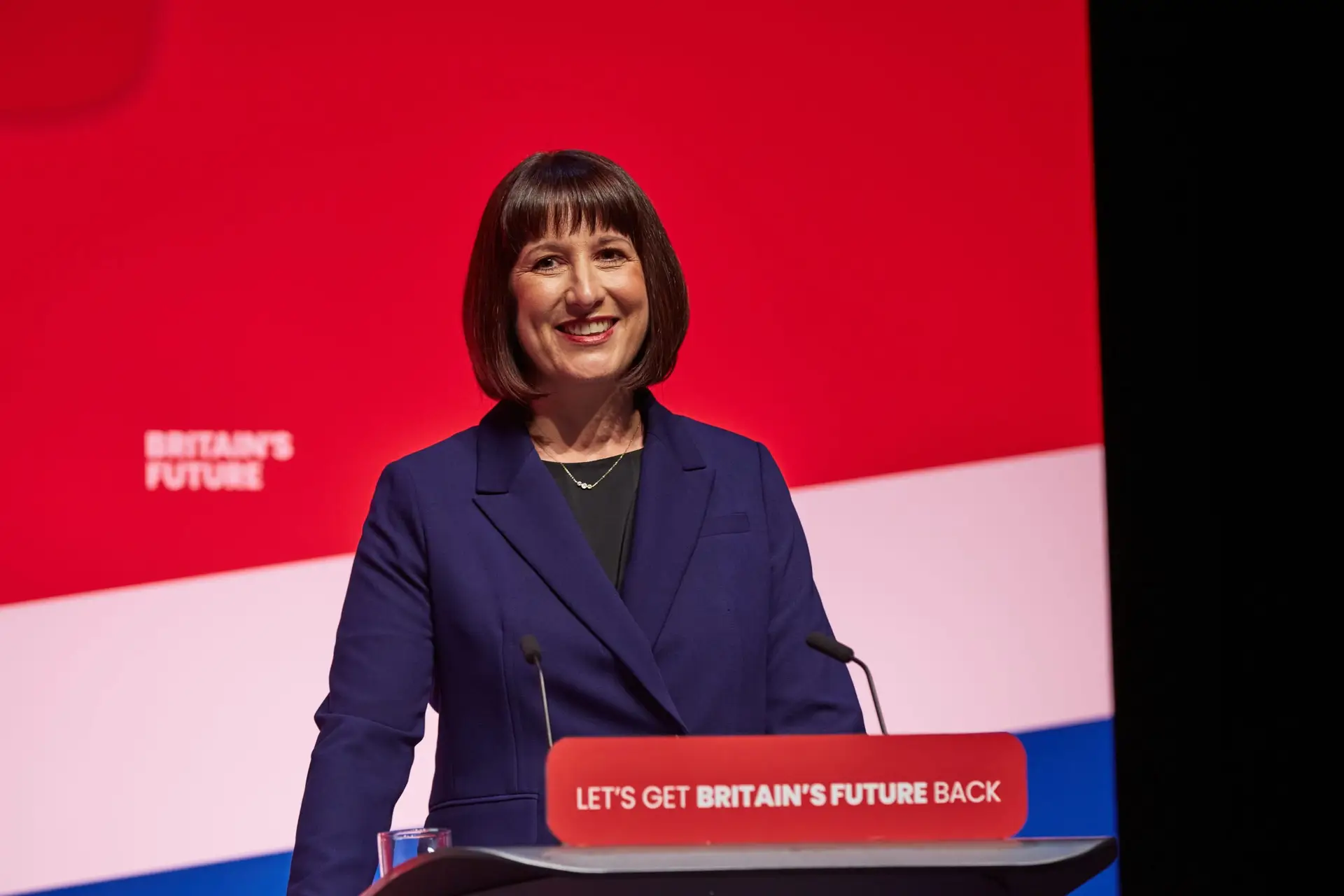
The Budget presents an opportunity for the government to foster an environment conducive to entrepreneurship and business expansion, which is crucial for sustainable growth. Rachel Reeves’ recent statements at the Labour Party conference indicated an intention to avoid anti-enterprise tax policies, and the FSB is keen to see this commitment reflected in the Budget.
We spoke with Joe Cooper FPFS, a Chartered Financial Planner at Wise Investment, to gain his insights on these issues.
Joe believes the Labour government has already shown a clear commitment to supporting entrepreneurship and stimulating business growth. This was evident on 3rd September when it was confirmed that the sunset clause for the Enterprise Investment Scheme (EIS) and Venture Capital Trusts (VCT) would be extended until 2035. In addition, there are ongoing initiatives aimed at unlocking institutional capital, alongside plans to reform the British Business Bank to foster economic expansion.
Discussions have also taken place between the government and the investment sector regarding the retention of Business Relief (BR) for Inheritance Tax (IHT), with early indications suggesting a positive outcome. However, Joe cautions that any optimistic news from the Budget may be tempered for employers, as there is growing speculation that National Insurance contributions could soon apply to pension payments. While potentially contentious, this measure might be seen as a more politically feasible option than some of the more drastic pension reforms currently under discussion in the media.
Potential outcomes and what’s at stake
If the Budget aligns with the FSB’s recommendations, it could provide the impetus needed for small businesses to invest, hire, and expand. By lifting barriers to growth, the government can help businesses transition from merely surviving to thriving, ultimately revitalising the UK’s economic outlook.
The Budget’s implications will likely extend far beyond financial figures and policies, it could set the tone for business confidence across the country. As Tina McKenzie put it, “Now is the time to help entrepreneurs invest, employ, and get growth back to where it should be.” For Elite Business, which champions the success and growth of UK SME’s, a pro-small business Budget could also open up new opportunities for entrepreneurs to flourish, driving innovation and expansion across the industry.
References
- FSB Website: www.fsb.org.uk – for more information about the Federation of Small Businesses.
- ONS Data: Latest business population estimates – for the most recent statistics on small businesses.
Share via: