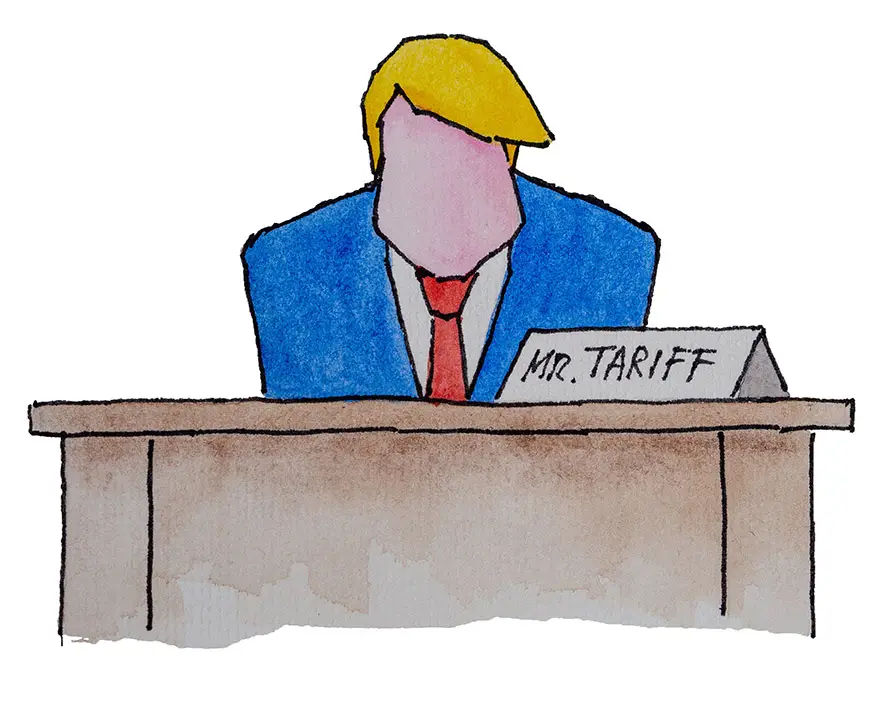
Donald Trump’s proposed 30% tariff on EU imports has reignited fears of a transatlantic trade war. While aimed at the European Union, the repercussions could extend well beyond Brussels, reaching the UK’s shores in more ways than one. For Britain’s small and medium-sized enterprises (SMEs), particularly those engaged in manufacturing, retail, and logistics, the effects could be disruptive, costly, and strategically challenging.
At first glance, some UK businesses might assume they’re insulated. After all, the UK is no longer part of the EU. But this is a globalised economy, and few companies operate in true isolation. The reality is that many UK SMEs are tightly woven into EU supply chains, either importing EU goods for domestic sale, exporting to the US via EU distribution networks, or relying on EU partners for key components and raw materials.
A tariff of this scale will cause ripple effects. EU goods suddenly becoming more expensive in the US may force EU producers to redirect those goods elsewhere, potentially flooding the UK market and undercutting domestic suppliers. Conversely, for SMEs reliant on exporting to the US via EU routes, their products may become less competitive almost overnight, squeezed by both rising costs and trade red tape.
Crucially, this volatility arrives at a time when many SMEs are already navigating a cost-of-living crisis, higher interest rates, increased employer NICs, and a cautious post-Brexit recovery. The added uncertainty around transatlantic trade risks dampening investment, delaying hiring plans, and shaking supply chain confidence, particularly for firms in sectors such as advanced manufacturing, automotive, tech, and consumer goods.
For example, a UK SME manufacturing electrical components might source parts from Germany, assemble them in the UK, and then export to the US. Even if the end product is British made, its EU origin could complicate access to the US market under tightened scrutiny. In such cases, SMEs may face a stark choice: absorb higher costs, reconfigure supply chains, or risk losing market share.
On the consumer side, inflationary pressures may also emerge. If European goods become more expensive or restricted in the US, EU exporters could pivot more aggressively toward the UK. While this might temporarily lower prices in some areas, it could also challenge local producers and retailers already battling thin margins.
Furthermore, SMEs in logistics and freight will likely see greater strain from supply chain rerouting and customs disruptions. Delivery timelines, insurance costs, and cross-border compliance requirements could all be affected, eating into operational efficiency and service quality.
But this isn’t just about costs, it’s about agility. The current geopolitical landscape demands that SMEs be strategically proactive rather than reactive. Those with exposure to EU or US trade must start scenario-planning now: reviewing contracts, re-evaluating risk in their supply chains, and exploring new markets or trade routes. Diversification, both in sourcing and in customer base, may become essential.
There is also a case for government support. As uncertainty builds, SMEs will need clear guidance and accessible support mechanisms to navigate potential shocks. That includes better access to trade finance, legal advice on tariffs and trade rules, potentially reviewing employer NICs and help identifying alternative markets or suppliers.
Ultimately, Trump’s tariff announcement is a reminder that global trade dynamics can shift rapidly, and UK SMEs, while resilient, cannot afford to be caught off guard. Whether this policy becomes reality or remains political posturing, it is a warning shot that reinforces the need for agility, resilience, and global awareness in today’s business strategy.
Share via: