We are likely to encounter at least three or four out of six major life-interrupting events: divorce, bereavement, redundancy, ill health, ageing parents or anxious teens.
Like buses, more often than not, they all come at once. Your world is upended, and everything becomes a challenge.
Is it possible to prepare for these events? The answer is yes and no. Have a plan, but understand that the plan will change. We need to acknowledge that things will shift in midlife, which can be any time between 40 and 60. Suddenly, it’s time to think about what’s next.
When we are in our 40s, we are very busy, not looking around but looking ahead to the next task or deadline.
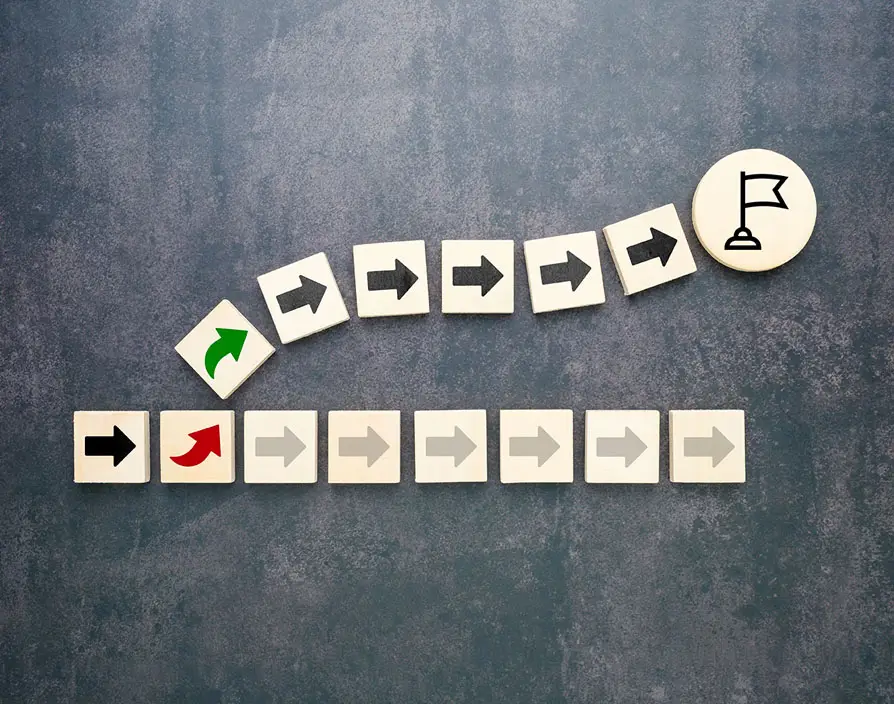
For some, it’s personal and internal, a feeling that creeps up on us. For others, it’s external, such as a divorce or redundancy. Overnight, we become aware that life is going to change, and we are confronted with the need to pivot.
Why is this important? We are all living longer and are likely to live into our 80s. Historically, old age started at 60. Those days are gone. We should all be prepared for change and transformation at some point along life’s trajectory.
The creeping pivot
This is when your niggling fears, nagging worries and increasing dissatisfaction with daily life finally catch up with you. It becomes clear that something needs to change. Is it you, your situation, or those around you? One day, it has to stop. You have to take control and make changes, or at least acknowledge that change is required.
The crisis pivot
Nobody wants this: a sudden shock to the system, out of the blue. A terminal diagnosis, redundancy, sudden death, unfaithful partner or a sick baby. Life stands still for a moment, shock sets in, and then comes the realisation that the whirling dervish that is life will never be the same again.
Of course, we all hope this never happens to us, but it is likely to, especially from our 40s into our 50s. It will happen.
To prepare for the pivot, you must bank what is good today so that when a dark tomorrow comes, you will have no regrets.
Ensure that you can accept change, be prepared for new horizons and challenges, and flex your resilience muscles to create excitement, anticipation and a new strain of joy for the second half of life. Many are starting new businesses in their 50s or turning a hobby or passion project into a commercial venture.
Purpose is a key driver and underpins a healthy lifespan. Biohacking can only do so much, but there is compelling evidence that mental wellbeing is fostered through engagement with projects and people. With purpose comes community, spending time with others who share your interests and goals.
This is a key antidote for loneliness, which can surface in later years after empty nesting, divorce or bereavement. There is no pill for loneliness; there is only action. Work and love will ensure a long, fulfilling life.
Share via: