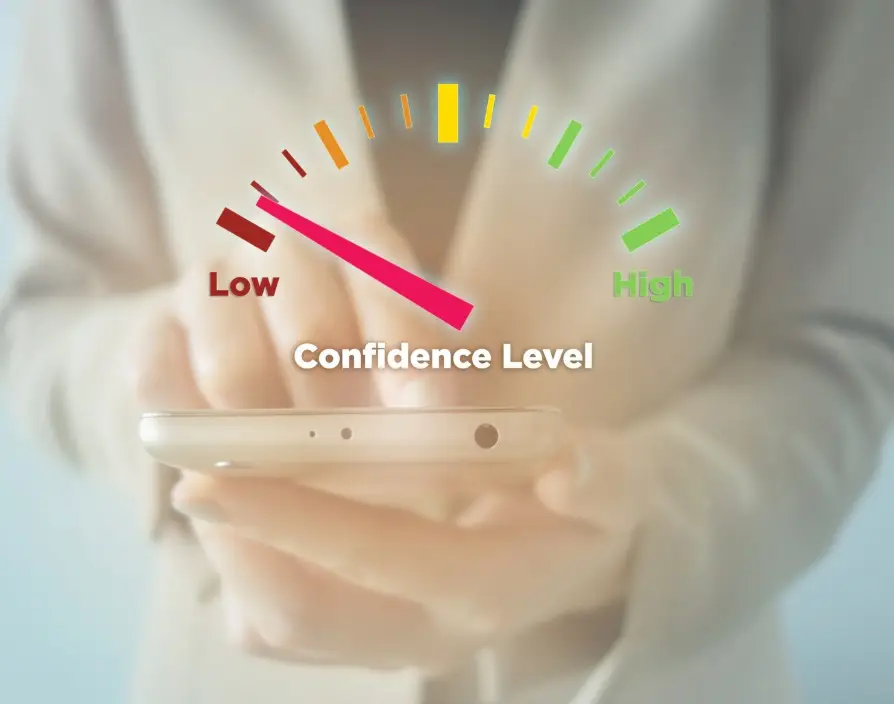
After years of stunted domestic and global growth, alongside steeply rising costs – energy in particular – and political uncertainty, UK businesses are finding it tough entering 2025. Confidence amongst UK SMEs has declined for the second consecutive quarter and has now fallen to the lowest recorded level in the history of the survey, according to research from ACCA and IMA.
The survey spoke to over 400 UK finance professionals, of which 297 identified as an SME. The Global Economic Conditions Survey, conducted by ACCA and IMA, measures confidence among finance professionals quarterly, keeping a finger on the pulse of what’s concerning and what’s exciting the community.
Confidence did fall in Q3 2024, but the sharp fall in confidence for Q4 2024 comes following the announcement of large tax rises for UK employers in the Autumn Budget. It makes sobering reading for the government and points to increased risks of stagflation in the UK economy – something already worrying SMEs and business owners.
Of particular concern was the announced rise in National Insurance contributions for employers and higher national minimum wage brackets, with many reporting this will have a negative impact on their investment in staff and hiring intentions, and with the Employment Index (a way of measuring the employment market and opportunities) also falling to a record low. Historically, this data has been an early indicator of corporate distress, coupled with a fall in the capital expenditure index and a second quarter of rising operating costs. Many businesses are likely to review their growth plans in the face of this uncertainty, which would have a negative impact on already stagnant economic growth. Business sentiment is definitely one of nervousness.
While the message from the government has been one of promoting economic growth, this fall in SME confidence suggests that UK businesses aren’t yet feeling those green shoots of growth. Business confidence is fragile after years of low growth and an uncertain global economic and political backdrop. The government needs to acknowledge that business confidence is rocky, and focus on messaging that understands the difficult environment while also making active steps towards encouraging growth, such as through improved small business tax reliefs, better business rates, and investment in HMRC services.
Accountancy concerns
Alongside these wider economic concerns, accountants also identified their top three risk priorities at the end of 2024 in the survey. For the UK, these were:
- Economic inflation / recession
- Talent scarcity / skills gap / employee retention
- Technology / data / cybersecurity
These reflect previous areas identified in ACCA research and show a long-term concern from accountants that need to be addressed by government policy changes. The twin challenges of concerns about inflation and talent scarcity poses a difficult challenge for businesses. Traditionally talent scarcity would encourage businesses to invest in upskilling their staff but concerns about stagflation and recession often halt the very investment that businesses need to grow. Similarly, investment in new technologies such as AI and enhanced cybersecurity would no doubt improve the bottom line for many businesses, yet they are reluctant to invest at a time when economic stability is fragile at best.
How can businesses prepare?
While the economic environment is one of instability and uncertainty, businesses should prepare themselves effectively and build resilience. Working closely with accountants and finance professionals can ensure businesses have a firm grip on their cashflow, understand where they can make savings, while looking ahead to growth opportunities. Accountants often have a unique view of businesses and can give objective insights, using their expertise and knowledge to help businesses in challenging economic times.
The UK government is no doubt hoping for a jump in confidence and growth for 2025, and while it’s not impossible, businesses and accountants will need reassurance and clear evidence of a path out of the current uncertainty.
Share via: